
← All news

Greensleeves

Greensleeves Franchisees Introduce Exterior Cleaning Services Across Network

By UK Franchise Opportunities Editorial TeamPublished
Greensleeves Franchisees Introduce Exterior Cleaning Services Across Network — UK franchise news

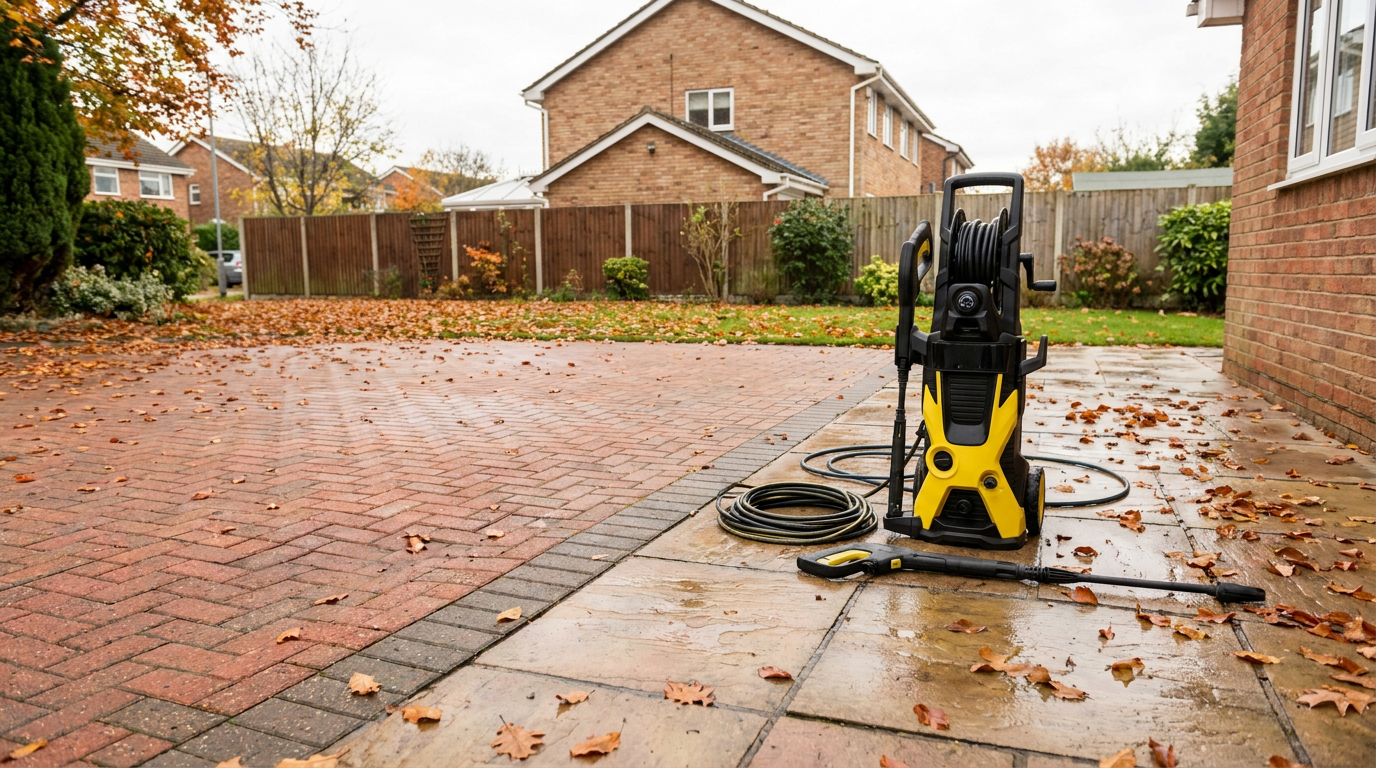
Greensleeves franchisees are introducing exterior cleaning alongside their existing lawn care provision this autumn, aiming to secure year-round income and reach new clients.

Franchisees across the Greensleeves network are broadening their commercial scope this autumn by introducing dedicated exterior cleaning services alongside their established lawn treatment operations. The operational rollout marks a strategic extension beyond traditional turf management, designed to create a more comprehensive outdoor property maintenance offering throughout the United Kingdom.

The addition of exterior care services is structured to mitigate the seasonal fluctuations traditionally associated with domestic lawn care. By adding hard-surface and exterior property cleaning to their service portfolios, network operators can maintain active trade during periods of the year when turf care demand typically slows, generating year-round revenue streams while targeting a broader demographic of domestic and commercial property owners.

According to network announcements, the initiative also serves as a vehicle for customer acquisition and network-wide growth. Franchise owners will be able to cross-sell exterior cleaning to existing lawn care clients, while simultaneously using the new services as an initial point of contact to attract customers who may subsequently require routine garden and lawn treatments.

Market Shifts Towards Multi-Service Outdoor Property Maintenance

The move by Greensleeves reflects a broader structural evolution within the UK domestic services and property maintenance sector. Businesses historically defined by a single, specialised outdoor service—such as lawn feeding and aeration—are increasingly diversifying their operations to counteract weather-dependent earnings. Autumn and winter traditionally bring diminished ground-treatment activity across the UK, making complementary services an effective method for stabilising operational cash flow across all four quarters.

Consumer preferences have also contributed to this sector-wide transition. Homeowners and property managers frequently prefer contracting a single, vetted supplier for multiple exterior upkeep requirements rather than coordinating separate providers for grounds maintenance, hard-surface washing, and structural exterior cleaning. By offering a multi-service model, mobile franchise networks can extract greater customer lifetime value from every household they visit, improving unit economics without a corresponding rise in customer acquisition spend.

From a commercial standpoint, this trend also protects network operators against localised market saturation. When a territory's addressable lawn care base matures, adding complementary exterior services permits existing business units to scale turnover within their current geographical boundaries, rather than requiring expensive territorial expansion to sustain growth.

Evaluating Multi-Service Models: Practical Guidance for Franchise Buyers

For prospective investors evaluating van-based and domestic maintenance franchises, the introduction of secondary or complementary service lines requires careful due diligence. While the prospect of multi-stream income is commercially appealing, prospective franchisees must assess the operational realities and capital expenditure involved in delivering diversified services.

When reviewing a franchise prospectus or information pack, prospective franchisees should examine how new service lines have been piloted and costed. Essential inquiries to raise with the franchisor include:

  • Equipment and vehicle specifications: Does delivering exterior cleaning require additional equipment, vehicle modifications, or dedicated machinery, and are these costs included within the standard initial investment or treated as supplementary capital outlays?
  • Technical training and compliance: What specific operational training is provided for the new services, and does the work involve handling specialised chemicals, wastewater management regulations, or working-at-height safety standards?
  • Customer overlap and conversion rates: What proportion of existing single-service customers actually adopt the additional service lines in practice, based on real pilot data rather than theoretical projections?
  • Pricing structures and margins: Do exterior cleaning services yield equivalent or superior profit margins compared to core operations once labour, chemical usage, and machine depreciation are factored in?

Prospective buyers should scrutinise the financial illustrations provided within the franchisor's disclosure pack. Financial models should clearly separate core services from supplementary offerings, allowing applicants to assess whether the baseline business remains financially viable on its primary service alone. Prospective owners should also speak directly with existing franchisees during discovery days to establish whether multi-service delivery creates scheduling friction during peak seasons, when core services are already operating at maximum capacity.

Strategic Implications for Franchisors and Established Networks

Extending a franchise network's operational remit presents distinct managerial responsibilities alongside commercial advantages. For franchisors, rolling out network-wide services demands consistent service standards, updated brand guidelines, and dedicated marketing collateral to ensure the public understands the broader positioning of the brand without diluting its core reputation.

Key considerations for networks considering similar service diversification include:

  • Brand identity management: Ensuring promotional messaging balances new capabilities with the established service identity that generated existing brand equity.
  • Operational capacity management: Structuring scheduling systems so that seasonal rushes in one discipline do not compromise service delivery or lead times in another.
  • Supply chain resilience: Securing reliable vendor partnerships for new cleaning products, replacement components, and specialized machinery to maintain uniformity across all franchise territories.
  • Network compliance: Monitoring territory-level standards to ensure all participating franchisees carry out secondary services with the same technical proficiency as their primary operations.

For established franchisees, the availability of brand-sanctioned exterior cleaning protocols provides a structured route to business expansion without the risk of developing unvetted service methods independently. Where territories employ additional technicians, multi-service capability also supports full-time, year-round employment, improving staff retention rates in an industry often challenged by seasonal labour turnover.

Outlook for the Sector

As Greensleeves rolls out its exterior cleaning offering throughout the network this autumn, the UK domestic property care market will be watching the operational integration closely. The broader franchise sector will observe how effectively network operators bridge the seasonal divide and whether existing domestic clients convert into regular buyers of comprehensive property care. The success of such initiatives is likely to encourage further service diversification among single-discipline trade franchises seeking to consolidate their market presence across the country.

Reported from publicly available coverage. Details were correct at the time of writing.