
← All news

Mokas Coffee & Eatery

Mokas Coffee & Eatery Launches First Franchised Branch in Kansas

By UK Franchise Opportunities Editorial TeamPublished Updated
Mokas Coffee & Eatery Launches First Franchised Branch in Kansas — UK franchise news

Mokas Coffee & Eatery has launched its first franchised site in Olathe, Kansas, introducing its range of roasted coffee, pastries, and made-to-order meals to the local area.

Food and beverage operator Mokas Coffee & Eatery has officially launched its first franchised branch, marking a significant transition in its operational model. The new premises, located at 11814 S Fellows St in Olathe, Kansas, held its grand opening on Wednesday, 30 September. This debut represents the company's inaugural step into third-party franchise operations, testing the commercial viability of its business format outside its original corporate estate.

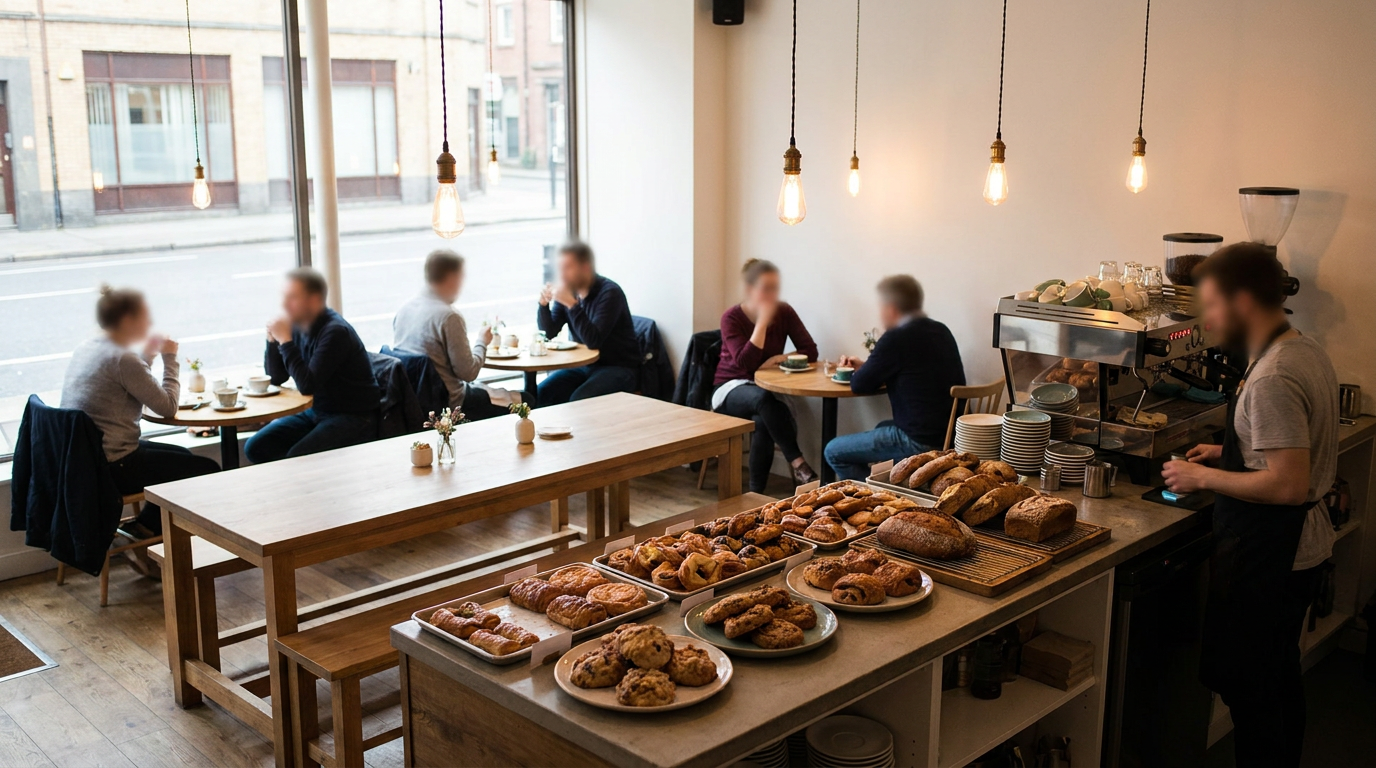
The brand's trading model combines an on-site beverage programme featuring roasted coffee with an extensive food preparation element. Rather than relying solely on hot drinks and ambient snacks, the menu incorporates freshly baked pastries alongside made-to-order dishes for both the morning and midday trading periods. The specific financial arrangements, fit-out investment figures, and identity of the franchisee behind the Olathe venue have not been publicly disclosed by the operator.

Establishing an initial franchised location is a key stage of development for any hospitality business. It requires moving from direct, centralized oversight to supporting an independent operator who must follow the established system. The launch in Olathe will serve as a practical demonstration of whether the brand's preparation routines, ordering protocols, and customer-service standards can be successfully maintained across an extended network.

Industry Trends: The Evolution of Dual-Offering Hospitality Models

The launch highlights a continuing trend across the fast-casual hospitality sector toward dual-revenue business models. While traditional coffee shops typically generate the bulk of their revenue during the early morning commuter peak, concepts that integrate complete breakfast and lunch menus can drive sales across multiple dayparts. Providing freshly prepared meals alongside speciality hot drinks helps sustain transaction values and footfall into the afternoon, smoothing out the operational lulls that often affect beverage-only kiosks.

However, running a hybrid coffee shop and kitchen operation brings added logistical complexity. Operators must navigate more intricate inventory controls, higher initial equipment expenditure, and strict temperature-monitoring protocols for perishable ingredients. For expanding hospitality networks, the ability to standardise these kitchen processes determines how easily the business can be rolled out to franchise partners in other regions.

Evaluating Food and Coffee Concepts: Guidance for Franchise Buyers

For prospective business owners in the United Kingdom considering a comparable food and beverage franchise, commercial due diligence is essential before committing capital. Food-led operations generally demand substantial upfront investment for commercial kitchen extraction, refrigeration, counter fit-outs, and customer seating areas. They also carry ongoing commitments, including commercial lease liabilities, local environmental health compliance, and variable staffing requirements to handle peak trading hours.

When reviewing a business opportunity, prospective franchisees should raise detailed questions with the franchisor regarding network support and cost structures:

  • Supply chain resilience: Are franchisees obligated to purchase ingredients and roasting supplies exclusively through designated suppliers, and how are prices protected against wholesale inflation?
  • Staffing requirements: What is the minimum headcount needed to cover breakfast and lunch preparation without compromising order speed, and what operational training is provided for kitchen teams?
  • Site selection and planning: Does the brand assist in identifying suitable commercial properties, negotiating lease terms, and securing the necessary planning permissions for food preparation and hot extraction?
  • Break-even timelines: What is the typical duration required for a new location to achieve operational break-even, based on verifiable data from existing branches rather than high-level projections?

Assessing the financial performance of any business format requires a careful examination of the franchisor's promotional material. Prospective buyers should always review the financial claims presented in an information pack or franchise prospectus against verified trading records. Particular attention must be paid to gross versus net margins, as high sales volumes can easily be eroded by elevated food waste, delivery aggregator commissions, and utility overheads. Consulting with independent legal and financial advisers, as well as checking standards promoted by the Quality Franchise Association (QFA), can help applicants verify the soundness of an operating model.

Strategic Implications for Franchisors and Network Operators

The progression from managing company-owned units to overseeing a franchised network requires a fundamental shift in a brand's corporate structure. For the franchisor, opening the first franchised unit acts as a real-world test for its operational manuals, training programmes, and field-support systems. Any ambiguities in standard operating procedures that can be easily resolved within company-owned sites will quickly cause friction when executed by an independent business owner.

For emerging franchise systems and existing operators, this stage of expansion carries several strategic takeaways:

  • Standardising the operating manual: Kitchen preparation, waste management, and beverage consistency must be clearly documented so new franchisees can run their branches without daily direct intervention from head office.
  • Validating unit economics: The performance of the initial franchised branch provides essential reference figures that will either validate or challenge the cost assumptions presented in the brand's disclosure pack.
  • Investing in support infrastructure: System owners must build dedicated teams for franchise support, field auditing, and supply coordination before launching a wider multi-unit rollout.
  • Managing early franchisee relationships: The operational success and profitability of the first franchise partner serve as the brand's primary marketing asset when recruiting future candidates.

Monitoring Network Progress

Industry observers and prospective operators will now watch to see how the Olathe branch performs in terms of operational consistency and local customer retention. The true test for the brand will lie in whether this initial unit can deliver steady returns while maintaining menu quality across both peak morning and lunch periods. The pace at which the company signs subsequent franchise agreements will indicate how efficiently its systems have adapted to third-party management, and whether the model is ready for sustained regional expansion.

Reported from publicly available coverage. Details were correct at the time of writing.