
← All news

Russo's New York Pizzeria & Italian Kitchen

Russo's New York Pizzeria Expands in Arizona with New Franchise Opening

By UK Franchise Opportunities Editorial TeamPublished Updated
Russo's New York Pizzeria Expands in Arizona with New Franchise Opening — UK franchise news

Russo’s New York Pizzeria & Italian Kitchen has launched a new branch in Tempe, Arizona, operated by franchisees Kristina and Christian Alvarez near the Arizona State University campus.

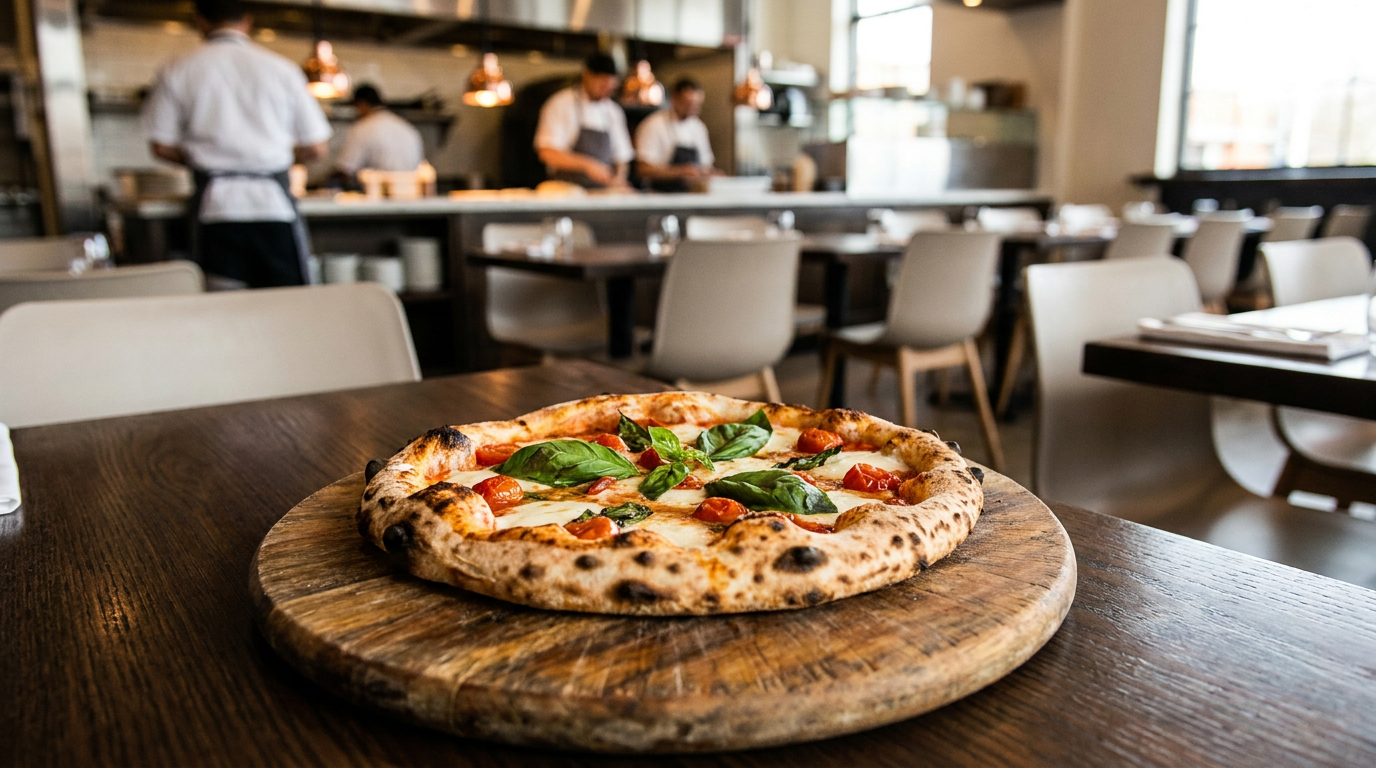
Russo’s New York Pizzeria & Italian Kitchen has added a new restaurant to its network in the United States, launching a site in Tempe, Arizona. The venue is located at 521 S. College Avenue, positioned adjacent to the Arizona State University campus to cater to both the student body and the local municipal population.

The Tempe branch is locally owned and operated by franchisees Kristina and Christian Alvarez under a franchise agreement with the parent company. The concept itself, which centres on traditional Italian kitchen dining and pizza recipes, was founded by Chef Anthony Russo.

This opening marks another territorial addition for the hospitality brand, placing a dedicated sit-down and takeaway operation into an urban educational hub. Commercial trading details, opening sales benchmarks, and initial staffing figures for the Tempe restaurant have not been publicly disclosed by the franchisor.

Commercial Drivers Behind University-Adjacent Site Selection

The launch of a food and beverage franchise unit near a substantial academic institution illustrates standard demographic targeting within the casual dining sector. High-density university catchments provide franchise operators with consistent pedestrian footfall, a concentrated local workforce, and an addressable customer demographic that relies heavily on off-premise dining, collection, and late-evening trade.

However, positioning near university grounds also presents distinct commercial dynamics that operators must manage. Customer traffic in these micro-markets often displays severe seasonality, fluctuating significantly between term-time peaks and holiday lulls. Franchisees operating within these zones must maintain tight controls over operational overheads, labour scheduling, and perishable stock levels to adapt to these shifts.

The Italian kitchen and pizza segment remains one of the most populated categories within the international hospitality franchise market. Operators rely on high brand recognition and the broad commercial appeal of pizza to sustain customer volume. At the same time, businesses in this segment face intense margin pressure from fluctuating core ingredient costs—such as dairy, flour, and cooking oils—alongside competition from independent operators and established multinational food chains.

Practical Due Diligence for Food Franchise Prospective Buyers

For individuals considering an investment in a food and beverage franchise in the United Kingdom, site-based hospitality concepts require exhaustive operational and financial scrutiny. Unlike home-based or service-led franchises, hospitality operations involve high upfront capital requirements, strict regulatory hurdles, and exposure to long-term commercial property liabilities.

When reviewing a franchise prospectus, information pack, or disclosure pack provided by a brand, prospective franchisees must examine the empirical basis of all financial illustrations. Projected trading figures, gross profit margins, and anticipated break-even timelines should be evaluated alongside audited historical accounts from comparable operational units rather than hypothetical pro-forma estimates.

Prospective operators should raise specific commercial questions with the franchisor during initial negotiations, including:

  • Supply Chain and Ingredient Sourcing: Are franchisees mandated to buy exclusively from designated national distributors, and what price-protection mechanisms exist if wholesale food prices surge?
  • Premises Fit-Out and Planning Requirements: What level of direct head-office assistance is provided for planning applications, extraction flue regulations, and commercial premises licensing?
  • Territorial Exclusivity: Does the franchise agreement define a protected geographical territory that prevents the franchisor from opening competing corporate or franchised outlets nearby?
  • Operating Cost Ratios: What are the realistic expenditure percentages for commercial rent, staff wages, royalties, and local marketing contributions relative to gross turnover?

Prior to executing any legal documents or paying non-refundable deposit fees, prospective buyers should instruct an independent solicitor and an accountant experienced in UK franchise agreements. Seeking guidance aligned with ethical franchising standards, such as those upheld by the Quality Franchise Association (QFA), ensures that potential liabilities within leases and franchise covenants are thoroughly understood.

Strategic Takeaways for Franchisors and Network Operators

Expanding through locally based owner-operators remains a primary mechanism for hospitality brands seeking to scale without incurring direct balance-sheet liabilities for individual unit fit-outs. Engaging local franchisees ensures that management remains directly invested in the day-to-day performance of the site, which is vital in customer-facing food operations.

For existing network members, national or regional brand growth provides mixed implications. While an expanding network enhances collective brand visibility and purchasing scale, it also demands that the franchisor allocate adequate supervisory resources to ensure network-wide standards do not slip. Inconsistent execution at newer branches can diminish consumer trust across the entire brand footprint.

Key considerations from this development include:

  • Targeted Location Strategy: Aligning unit profiles with distinct local demographics can deliver high trade volumes, provided working capital models account for term-time fluctuations.
  • Owner-Operator Alignment: Selecting franchisees with an active, on-site management interest reinforces operational compliance and service consistency compared to passive investment structures.
  • Field Support Obligations: Expanding brands must maintain sufficient field-support infrastructure to audit food preparation standards, health compliance, and local unit profitability.
  • Independent Financial Validation: Franchisees must conduct independent stress-testing of cash-flow forecasts, factoring in commercial rent reviews and statutory wage increases.

Industry observers and market analysts will monitor how the Tempe location performs over its first full trading year, evaluating whether strong student demand offsets the operational pressures facing the casual dining sector. The longer-term trajectory of this site will provide practical insights into the viability of university-adjacent casual dining units amid ongoing inflation in property and food costs.

Reported from publicly available coverage. Details were correct at the time of writing.