
← All news

Dave's Hot Chicken

Rackson Restaurants Launches 13th Dave's Hot Chicken Branch in New York

By UK Franchise Opportunities Editorial TeamPublished Updated
Rackson Restaurants Launches 13th Dave's Hot Chicken Branch in New York — UK franchise news

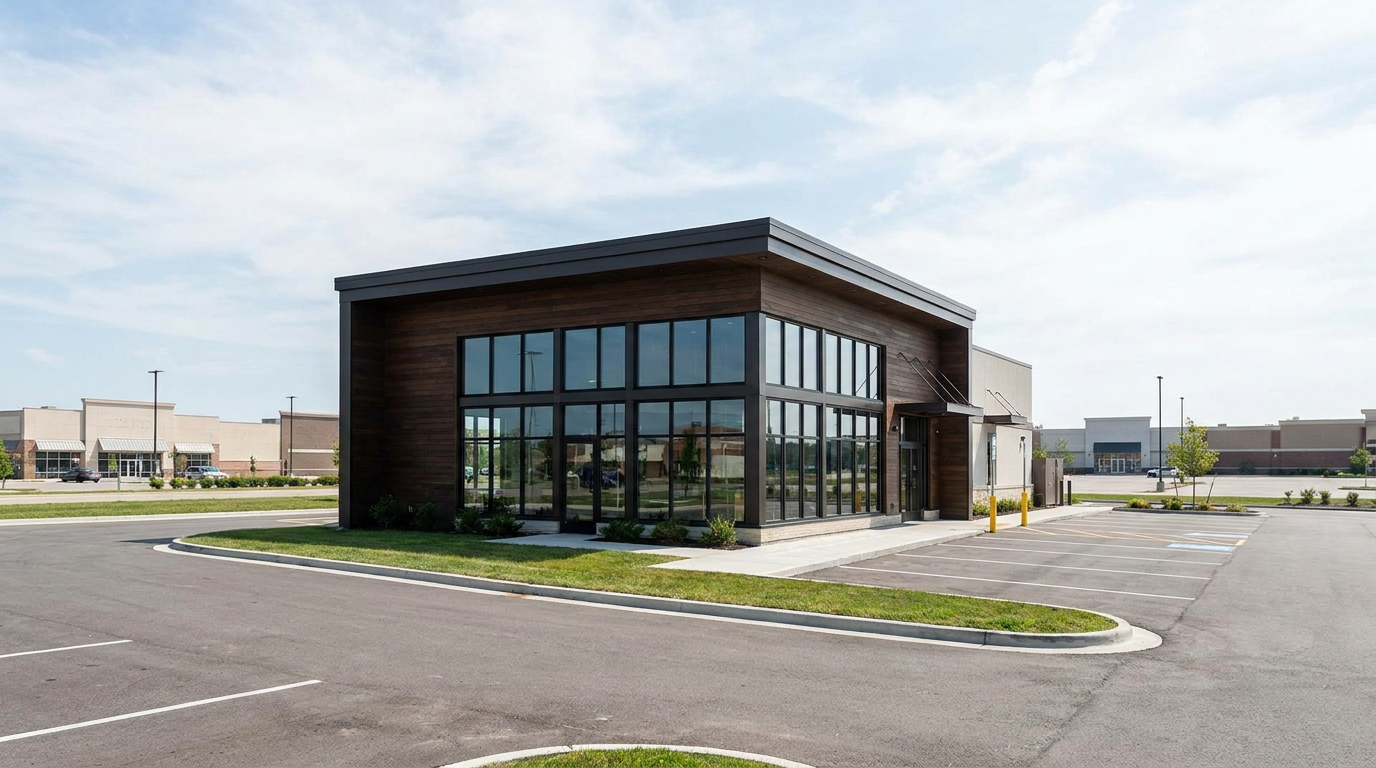
Franchise operator Rackson Restaurants has launched its 13th Dave's Hot Chicken site in Mohegan Lake, New York, expanding its wider multi-brand fast-food portfolio to more than 100 units.

Multi-unit franchise group Rackson Restaurants has expanded its hospitality estate with the opening of its 13th Dave’s Hot Chicken outlet in Mohegan Lake, New York. The launch marks another step in the planned growth of the business, which operates this specific brand through its dedicated subsidiary, Rackson Cayenne.

The addition of the Mohegan Lake restaurant advances the wider enterprise past a significant benchmark. Rackson Restaurants now oversees a total portfolio of more than 100 quick-service restaurants distributed across key regional markets in the United States, including the Northeast, the Mid-Atlantic, and Ohio.

By housing the fast-casual chicken units within the Rackson Cayenne operational vehicle, the parent enterprise maintains a segmented structure for its brand partnerships. This approach allows the multi-brand group to scale a high-growth quick-service concept while continuing to run its broader network of quick-service food premises across multiple territories.

What the Expansion Signals About the Fast-Casual Sector

The continued roll-out of dedicated locations by an established multi-unit franchisee illustrates the sustained momentum within the specialised quick-service chicken category. Rather than relying solely on individual, owner-operator recruitment, franchisors in this segment frequently partner with experienced hospitality groups capable of opening multiple units in designated geographical clusters. This model accelerates market penetration and secures prime commercial real estate in competitive regional areas.

The Mohegan Lake development also underlines how larger franchise organisations manage operational risk when scaling. Operating a specific brand under an entity like Rackson Cayenne allows portfolio operators to maintain distinct financial reporting, dedicated brand leadership, and targeted supply chain channels. For the franchisor, dealing with a scaled partner ensures capital depth and experienced area-level supervision, both of which are critical when attempting to replicate brand standards consistently across dozens of locations.

Furthermore, the continued investment by multi-brand operators into quick-service food reflects the resilience of convenient dining concepts. Despite broader economic pressures impacting consumer spending, concepts focused on streamlined menus, quick service times, and accessible price points continue to attract sustained reinvestment from established hospitality management groups.

Practical Considerations for Prospective UK Franchise Buyers

While this particular expansion is taking place in the United States, the business mechanics behind it provide valuable lessons for prospective franchise investors in the United Kingdom. Entering the fast-casual or quick-service food industry requires substantial capital investment, long-term operational commitment, and rigorous initial research.

In the UK market, opening a food-and-beverage franchise typically entails significant financial commitments before trading even begins. Franchisees must budget for site acquisition, commercial lease negotiations, local planning consents for extract systems and seating, specialist kitchen fit-outs, and initial stock orders. Unlike home-based or white-collar franchises, food outlets demand robust working capital reserves to cover fixed operating costs while the site builds up a steady local customer base.

Prospective buyers conducting their due diligence must scrutinise the franchise prospectus or information pack supplied by the brand. When evaluating these disclosure packs, several specific areas require close attention:

  • Unit-level economics: Review historical trading data from existing operational sites rather than relying on high-level turnover projections. Assess average transaction values, gross profit margins, and typical break-even timelines.
  • Operating overheads: Clarify recurring expenses, including ongoing management fees, marketing levy contributions, waste management, utility tariffs, and business rates.
  • Supply chain conditions: Establish whether franchisees are tied to mandatory suppliers, how pricing is negotiated, and what contingency arrangements exist to counter cost inflation or distribution disruptions.
  • Territory rights: Confirm the boundaries of any exclusivity granted within the franchise agreement, ensuring the franchisor cannot place competing company-owned or franchised units within your viable trading radius.

Before signing an agreement or transferring funds, prospective franchisees should always seek advice from qualified legal and financial advisers who understand franchising standards, such as those promoted by the Quality Franchise Association (QFA). Contacting existing franchisees within the network to ask candid questions about day-to-day profitability, staff turnover, and franchisor support provides vital perspective that cannot be gathered from promotional literature alone.

Lessons for Franchisors and Multi-Unit Operators

The ongoing partnership between Dave’s Hot Chicken and Rackson Restaurants highlights the strategic benefits of cultivating strong relationships with multi-unit operators. While franchisors often begin by recruiting single-unit owners to establish their presence, scaling to national or international levels usually requires institutional-grade operating partners.

Key takeaways for franchise systems and established operators include:

  • Structured corporate vehicles: Creating dedicated operating subsidiaries, such as Rackson Cayenne, enables multi-brand operators to isolate liabilities, track unit economics cleanly, and maintain distinct operational teams for different brands.
  • Geographical density: Expanding within contiguous regions—such as the Northeast and Mid-Atlantic—allows operators to maximise management oversight, share staff across nearby sites when necessary, and achieve efficiencies in local advertising.
  • Franchisor-franchisee alignment: Multi-unit development relies on mutual trust; franchisors must provide dependable operational frameworks, while franchisees must maintain rigorous compliance with brand standards to protect system-wide equity.
  • Reinvestment as a validation metric: A multi-unit franchisee committing capital to open a 13th site serves as strong evidence to the wider market that the underlying unit-level business model is performing viably.

What to Watch Next

Industry observers will be watching to see how quickly Rackson Restaurants continues to scale the Rackson Cayenne portfolio, particularly within its existing territories across New York, Ohio, and surrounding states. As the fast-casual chicken sector becomes increasingly competitive, the focus for both franchisor and franchisee will centre on maintaining customer retention, managing wage and ingredient inflation, and identifying suitable new real estate to sustain this steady rate of site openings.

Reported from publicly available coverage. Details were correct at the time of writing.