
← All news

Juice It Up!

Juice It Up! Adds New California Site via Franchise Group True Blend Holdings

By UK Franchise Opportunities Editorial TeamPublished Updated
Juice It Up! Adds New California Site via Franchise Group True Blend Holdings — UK franchise news

Juice It Up! has launched a new branch in Santa Fe Springs, California. The site is operated by franchisee True Blend Holdings LLC, adding to the smoothie and juice brand's footprint in Southern California.

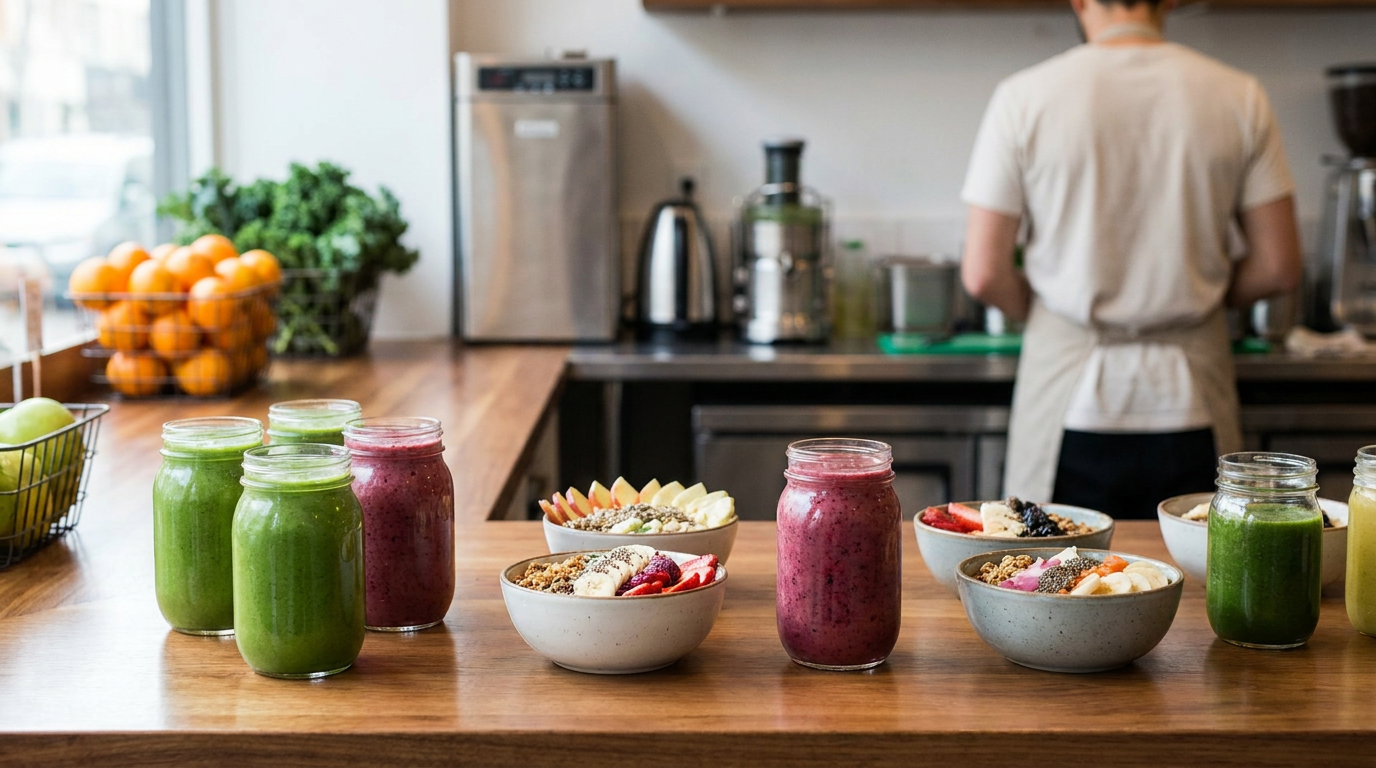
Juice It Up!, an established American franchised brand specialising in raw fruit juices, handcrafted smoothies, and açai bowls, has expanded its reach in Southern California with the opening of a new store in Santa Fe Springs. The business has operated within the healthy beverage sector for more than 30 years, building a network centred on grab-and-go nutritional products.

The Santa Fe Springs unit is owned and operated by True Blend Holdings LLC, a dedicated franchise group affiliated with the brand. While the franchisor confirmed the opening and the operating partnership, further details regarding the specific individuals heading True Blend Holdings LLC and the wider commercial terms of the arrangement were not published in the initial operational release.

This opening represents another step in the company's regional growth plan across its home state of California. By partnering with specialist operating entities rather than relying solely on individual single-unit owners, the business continues to secure footholds in suburban commercial districts and community shopping hubs.

Market Signals in the Health-Focused Beverage Sector

The continued rollout of dedicated juice and smoothie bars underlines enduring consumer interest in convenience-led health food and drink. Operating continuously for over three decades provides Juice It Up! with institutional longevity in a segment often characterised by fast-moving consumer trends and changing dietary preferences. The sustained demand for functional beverages, raw juice extracts, and superfood bowls suggests these product lines have moved from niche novelties into permanent fixtures of the quick-service food landscape.

From an operational standpoint, beverage-led businesses typically require smaller retail footprints than full-service restaurants. This compact operational model reduces base property overheads and simplifies kitchen extraction requirements, making suburban strip centres and community plazas economically viable. However, the model relies on steady footfall and repeat trade to compensate for lower average transaction values when compared to dinner-oriented dining concepts.

The involvement of an operating company like True Blend Holdings LLC also reflects a broader structural trend across commercial franchising. Franchisors are increasingly engaging with corporate groups capable of deploying capital across multiple locations. For institutional and portfolio investors, non-cooking, beverage-centric retail units offer standardised operating procedures and streamlined staffing models that can be scaled relatively quickly across a defined territory.

Evaluating Beverage and Grab-and-Go Opportunities for UK Buyers

For prospective franchise owners evaluating similar quick-service and healthy beverage brands within the UK, this operational model presents distinct commercial considerations. While the UK high street and retail park landscape differs from Californian strip malls, consumer appetite for fresh juices, protein shakes, and specialised bowls has expanded significantly in British metropolitan areas and transport interchanges.

Before committing capital to a beverage franchise, candidates must conduct thorough due diligence regarding the real costs of operating a cold-chain retail business. In the UK, franchisors typically provide an initial franchise prospectus or information pack setting out the financial framework. Candidates should scrutinise these disclosure packs with independent legal and financial advisers, paying specific attention to working capital requirements rather than merely focusing on upfront territory fees.

Key operational and financial areas that require close questioning include:

  • Supply Chain and Perishable Inventory: Raw produce and freshly pressed juices carry short shelf lives. Buyers must determine how the supply chain handles seasonal fluctuations in fruit pricing, cold-storage logistics, and daily wastage rates, all of which directly erode gross margins.
  • Seasonality of Trade: Cold beverages and fruit bowls experience natural demand spikes during warmer summer months. Franchisees must ask how the business model sustains baseline cash flow during British autumn and winter months, and whether seasonal warm menu items are introduced to balance revenue.
  • Labour and Equipment Specifications: High-specification commercial blenders, juicers, and refrigeration units represent significant capital expenditure. Prospective investors should verify maintenance cycles, equipment replacement funds, and the staffing ratios required during high-volume trading hours.
  • Territory Protections: When dealing with established systems, buyers must confirm the precise boundaries of their geographical exclusivity to prevent customer poaching from nearby company-owned or franchised outlets.

Organisations such as the Quality Franchise Association (QFA) encourage buyers to speak directly with several trading franchisees rather than relying solely on the financial projections supplied in promotional materials. Reviewing actual profit and loss statements from operational units provides the only reliable guide to local commercial viability.

Strategic Implications for Franchisors and Network Operators

The development in Santa Fe Springs illustrates important operational dynamics for brand owners and existing network partners seeking expansion.

  • Partnering with Corporate Franchisees: Engaging multi-unit entities such as True Blend Holdings LLC allows franchisors to accelerate market density with reduced administrative burden compared to managing dozens of individual sole traders.
  • Preserving Operational Uniformity: As networks mature past the 30-year mark, franchisors must maintain rigorous auditing processes to ensure newer franchisee-led sites adhere strictly to core brand standards and product consistency.
  • Territorial Density Management: Increasing the concentration of stores within a single region requires careful balance to avoid cannibalising sales from existing network partners trading in adjacent postcodes.

What to Watch Next

Industry observers will watch to see whether True Blend Holdings LLC announces further store development sites across Southern California, signalling wider multi-unit commitments with the brand. More broadly, the trading performance of specialised juice and smoothie concepts will serve as an indicator of consumer willingness to sustain discretionary spending on premium health food items amid fluctuating household living costs.

Reported from publicly available coverage. Details were correct at the time of writing.