
← All news

Juice It Up!

Juice It Up! Expands into Eighth US State with Utah Opening

By UK Franchise Opportunities Editorial TeamPublished Updated
Juice It Up! Expands into Eighth US State with Utah Opening — UK franchise news

Smoothie and juice franchise Juice It Up! has launched its first outlet in Utah, opening in Herriman under local franchisees to mark the brand's presence in eight US states.

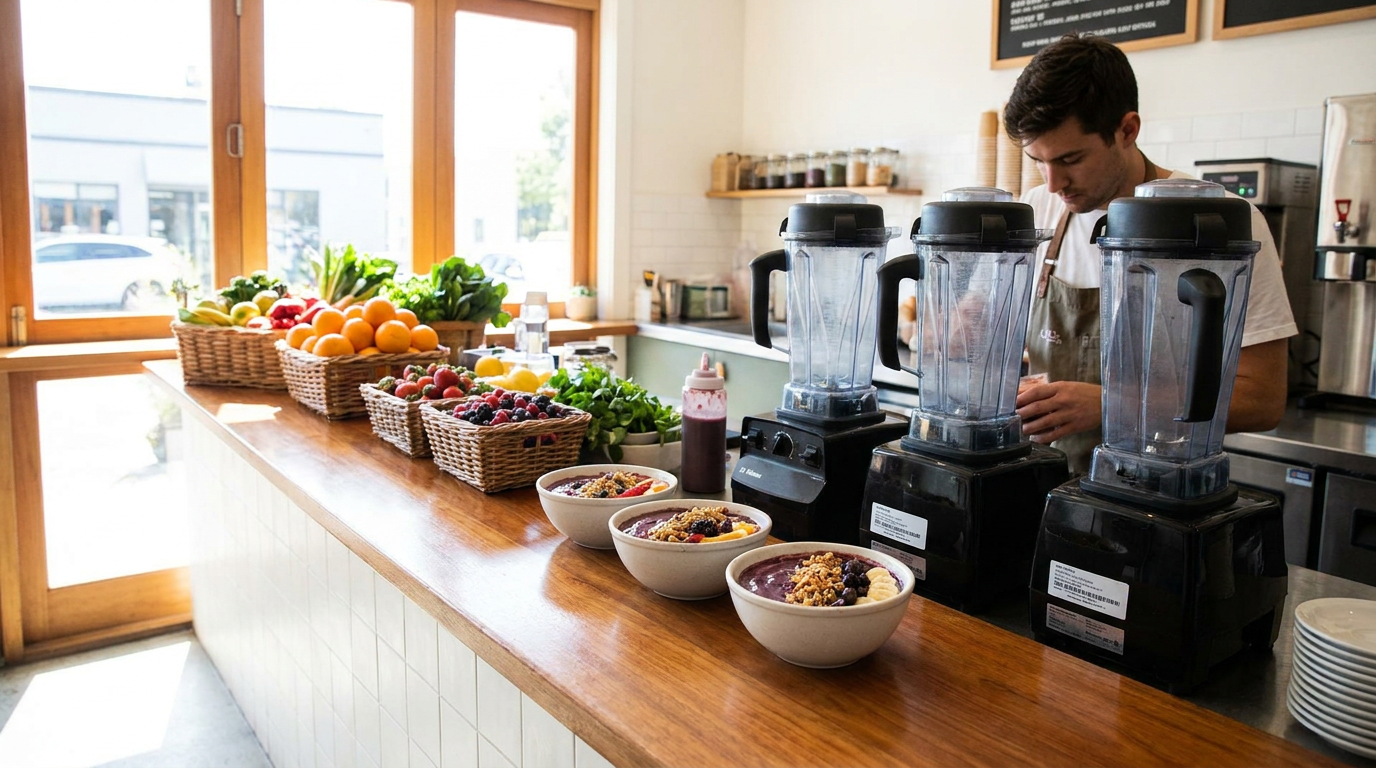
American beverage and health food brand Juice It Up! has launched operations in Utah, marking the business's entry into its eighth US state. The brand, which has traded for more than 30 years specialising in handcrafted smoothies, raw juices, and açai bowls, has opened its inaugural Utah store in the city of Herriman.

The new outlet is owned and managed by local franchise partners Aaron and Nancy, a husband-and-wife team based in the area. Further biographical details and their full surnames were not disclosed in the launch announcement. The opening represents a continuing territorial roll-out for the established operator as it targets regional growth across western US markets.

Over three decades in business, the chain has built its network around quick-service nutritional products. The Herriman store brings the concept into a brand-new state market, testing the model's regional adaptability against local consumer demographics and existing quick-service beverage competitors.

Market Dynamics in the Speciality Beverage Sector

Sustained territorial expansion by a 30-year-old brand illustrates the longevity that structured franchise networks can achieve within the food and drink industry. The raw juice, smoothie, and açai bowl category has transitioned over recent decades from a niche lifestyle sector into a mainstream segment of the broader quick-service restaurant industry. Consumer demand for functional ingredients, convenience, and healthier eating alternatives continues to sustain footfall across retail and suburban shopping destinations.

Entering an eighth state is a notable operational benchmark for a franchise system. Geographic diversification protects franchise networks against localised economic downturns, regional supply disruptions, and state-specific regulatory shifts. However, introducing a heritage brand to a fresh regional demographic requires brand awareness to be established largely from scratch, shifting reliance away from legacy recognition onto local store marketing and product consistency.

The reliance on owner-operator pairs, such as husband-and-wife teams, remains a common growth mechanism within food franchising. Operators who manage daily trading directly tend to maintain tighter control over food wastage, staff turnover, and customer service delivery than multi-unit passive investors, providing franchisors with a stable foundation when entering unfamiliar territory.

Practical Guidance for UK Franchise Buyers

While this milestone occurred in the US market, prospective franchisees in the UK looking at comparable fast-casual beverage and healthy eating concepts must navigate similar commercial realities. Entering a food and drink franchise requires significant capital, rigorous daily management, and a firm grasp of operating margins.

In the UK, franchise agreements are governed by general commercial contract law. Unlike the United States, where franchisors must provide a federally mandated disclosure pack, UK franchisors typically issue a franchise prospectus or detailed information pack. Prospective investors must scrutinise these disclosure packs independently rather than assuming standard statutory protections apply.

When assessing a food or beverage opportunity, prospective buyers should focus on several operational and financial checks:

  • Supply Chain and Perishable Inventory: Fast-casual concepts rely on fresh produce, exotic fruit pulps, and specific dairy or dairy-free bases. Prospective buyers must confirm whether the franchisor mandates specific approved suppliers, how supply chain pricing is structured, and how seasonal price fluctuations affect unit-level margins.
  • Premises and Fit-Out Costs: Outlets requiring commercial refrigeration, blending stations, and plumbing entail high capital expenditure per square foot. Franchisees should assess whether the franchisor assists with site selection, lease negotiation, and project management during the fit-out stage.
  • Direct Operating Overheads: Staffing costs and energy tariffs present ongoing operational challenges in commercial food preparation. The financial projections provided in the franchisor's information pack must be stress-tested against realistic wage rates, national insurance contributions, and commercial utility contracts.
  • Validation with Existing Franchisees: Buyers should independently contact established franchisees within the network, particularly those who have opened in newer, less established territories, to verify whether head-office trading forecasts match actual trading performance.

Independent professional advice from a solicitor experienced in franchise agreements and an accountant familiar with franchise accounting is essential before signing binding commitments or paying non-refundable deposit fees.

Strategic Implications for Franchisors and Networks

For franchisors seeking national distribution, geographic expansion outside a domestic base presents distinct structural hurdles. Systems must remain sufficiently resilient to maintain quality control across extended logistics lines, while training and support mechanisms must function effectively regardless of distance from corporate headquarters.

Existing franchisees in an expanding network also experience knock-on effects when a franchisor enters new territories. Brand value increases across the broader market, which can assist in national supplier negotiations and marketing buying power, although corporate management resources can temporarily become stretched while bedding down operations in new areas.

  • Regional Adaptation: Expanding into new territories demands careful validation of local consumer tastes, pricing sensitivity, and seasonal footfall variations.
  • Logistics Scaling: Central supply arrangements must be robust enough to service outlying single-store locations without eroding local store profitability.
  • Partner Profiling: Prioritising dedicated owner-operators provides franchisors with dependable operational oversight during early market penetration.
  • Network Value: Steady territorial expansion bolsters overall brand equity, reinforcing credibility for subsequent franchise recruitment campaigns.

What to Watch Next

The Herriman opening establishes an initial footprint for Juice It Up! in Utah, and industry observers will monitor whether the business follows this opening with additional regional developments or multi-unit commitments in the state. For the UK franchising market, the sustained cross-border and regional growth of legacy health-focused quick-service brands provides a clear indicator of how mature concepts can maintain momentum by pairing proven operational systems with hands-on, local franchise partners.

Reported from publicly available coverage. Details were correct at the time of writing.