
← All news

Franchise News

The Role of Franchise Exhibitions in Due Diligence and Brand Assessment

By UK Franchise Opportunities Editorial TeamPublished Updated
The Role of Franchise Exhibitions in Due Diligence and Brand Assessment — UK franchise news

In-person franchise exhibitions continue to offer prospective franchisees direct interaction, insights into brand culture, and practical due-diligence opportunities alongside digital research tools.

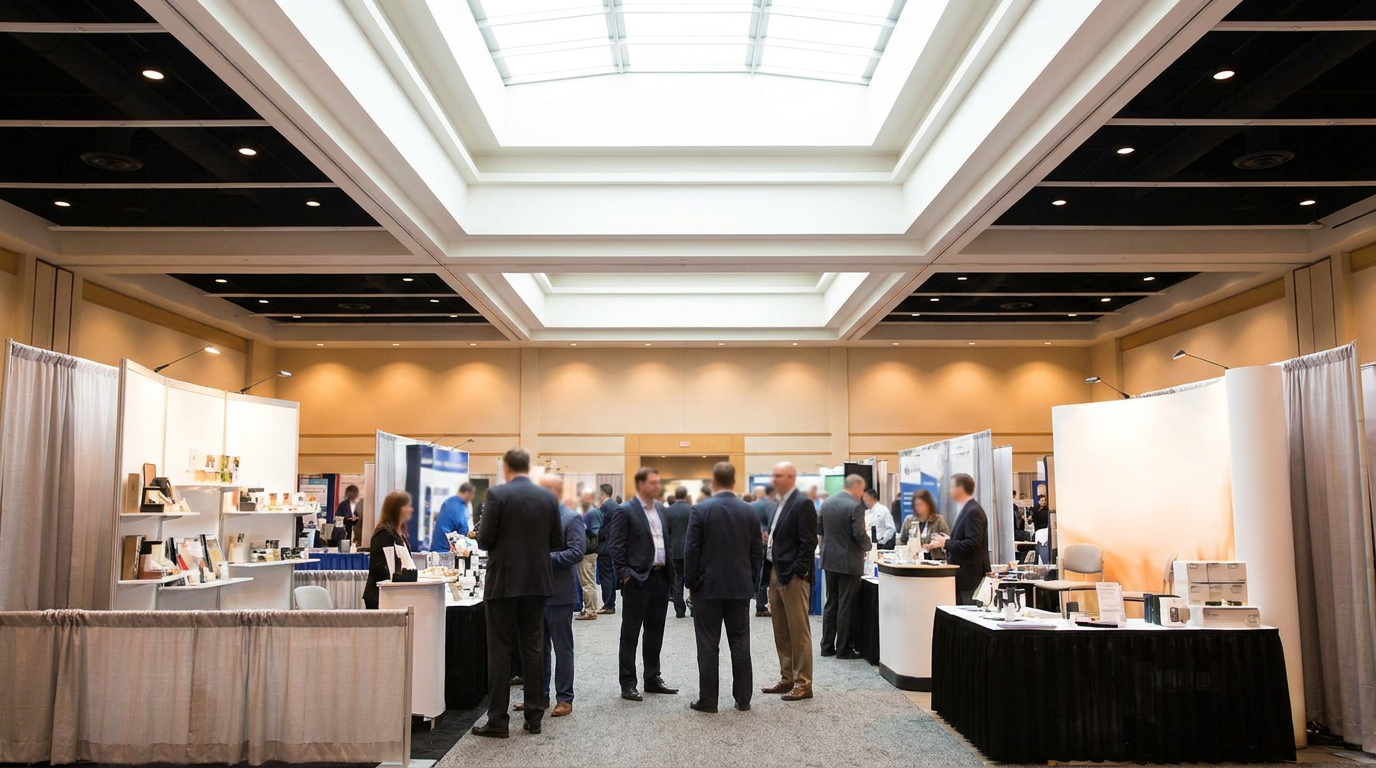
Industry specialist Cathryn Hayes has highlighted the continued necessity of in-person franchise exhibitions, arguing that direct human engagement remains an indispensable part of candidate assessment despite the growing prevalence of artificial intelligence tools in research. In commentary published by Elite Franchise Magazine, Hayes noted that while prospective investors increasingly rely on digital search and automated platforms to gather initial market data, physical events provide vital access to the cultural and operational realities of a franchise system.

The intervention comes as prospective business owners are presented with an expanding array of automated research mechanisms, ranging from conversational AI models to algorithm-driven search engines. Hayes points out that these digital technologies cannot fully replicate the nuanced, face-to-face exchanges that occur at exhibitions, particularly when assessing whether a franchisor’s support structure, corporate values, and management style align with an individual’s expectations and working background.

According to Hayes, attendance at regional and national exhibitions offers distinct due-diligence advantages, allowing prospective franchisees to compare multiple networks concurrently, question head-office executives directly, and evaluate the quality of the operational backing on offer. The observations underline an ongoing balance within the UK franchise sector between early-stage digital discovery and the interpersonal verification required before committing capital.

Market Dynamics and the Limitations of Automated Research

The ongoing reliance on physical exhibitions signals that the UK franchise sector continues to treat franchise agreements as deeply personal, long-term commercial partnerships rather than purely transactional business acquisitions. While artificial intelligence platforms can synthesise basic details such as initial investment levels, market sector definitions, and general territory availability, they cannot verify the integrity, responsiveness, or commercial temperament of a leadership team. Digital summaries are also limited by the quality and independence of the source material available online, which can sometimes be outdated or weighted heavily toward marketing copy.

Consequently, the exhibition hall serves as a primary filtering environment where candidates can cut through automated digital narratives. Sector analysts observe that meeting franchisors in person frequently alters a candidate's shortlist, as direct conversations reveal differences in corporate culture that are invisible on screen. A brand that appears well-resourced online may present a very different commercial reality when its representatives are questioned in person about staff retention, field support ratios, and training capacity.

Furthermore, exhibitions enable prospective buyers to observe how franchisors interact under pressure and how transparent they are when addressing detailed commercial queries. In an era where online presentation can be generated or polished using automated systems, the ability to judge body language, confidence, and consistency in real time has become an increasingly significant element of commercial risk management for individuals entering the self-employment market.

Practical Due Diligence: Navigating Prospectuses and Questioning Franchisors

For UK prospective buyers attending exhibitions or following up on initial discoveries, evaluating an opportunity requires rigorous, structured enquiry. Most commercial franchise opportunities require a substantial financial commitment, typically comprising an upfront franchise fee, working capital reserves, ongoing management service fees, and marketing levies. Because these obligations span multi-year contract terms, buyers must look beyond the promotional brochure to understand the operational realities of the business model.

When speaking directly with franchise recruitment teams at an exhibition, candidates should focus on specific, operational questions rather than general commercial promises. Critical lines of enquiry include:

  • What exact ratio of central support staff to operational franchisees currently exists within the head-office team?
  • What formal processes are in place to support a network member who experiences severe cash-flow disruption or trading difficulties?
  • How often has the franchisor adjusted ongoing management fees or mandatory supply costs over the past three years?
  • What percentage of operating franchisees achieve the turnover and profit figures illustrated in the introductory marketing material?

Following initial discussions, prospective buyers will typically receive a franchise prospectus or detailed information pack. Scrutinising these documents demands independent verification. Projections should be checked alongside a specialist franchise accountant, who can test whether the working capital calculations account realistically for commercial overheads, national minimum wage obligations, regional commercial rents, and realistic ramp-up phases. Rather than taking illustrative financial models at face value, candidates must ask the franchisor for the full contact directory of current franchisees across the UK network. Speaking to existing franchisees chosen at random—rather than relying solely on franchisor-selected references—remains the most dependable method to confirm whether the support and profitability presented in marketing packs match day-to-day trade.

Implications for Network Operators and Established Franchisees

The sustained relevance of face-to-face recruitment events carries direct implications for franchise systems operating across the UK. Franchisors cannot rely entirely on online lead-generation pipelines and automated onboarding platforms to recruit high-calibre partners. Similarly, established franchisees benefit when head offices maintain rigorous, personal vetting procedures to protect brand reputation and network stability across all territories.

Key considerations for franchise networks operating in an increasingly automated environment include:

  • Leadership visibility: Franchisors must ensure that key operational directors, not merely external sales representatives, attend exhibitions to provide genuine technical insight to serious candidates.
  • Transparent support metrics: Recruitment stands and presentation materials need to demonstrate concrete evidence of field support, including visit frequencies, mentorship structures, and training modules.
  • Consistency across channels: The operational claims made during in-person interactions must align precisely with the commercial terms presented in the formal disclosure pack.
  • Network protection: Direct evaluation at exhibitions allows franchisors to assess whether an applicant possesses the personal resilience, communication skills, and collaborative mindset required to succeed within the network.

Monitoring Sector Developments

As artificial intelligence continues to reshape early-stage business research and automated lead qualification, market observers will monitor how event organisers and franchise associations adapt their exhibition formats to deliver deeper, high-value due-diligence experiences. Future developments are likely to centre on how effectively networks combine rapid digital initial screening with robust, transparent personal scrutiny during the final stages of recruitment.

Reported from publicly available coverage. Details were correct at the time of writing.