
← All news

JdV by Hyatt

JdV by Hyatt Signs Franchise Agreement with Oxford Witney Hotel

By UK Franchise Opportunities Editorial TeamPublished Updated
JdV by Hyatt Signs Franchise Agreement with Oxford Witney Hotel — UK franchise news

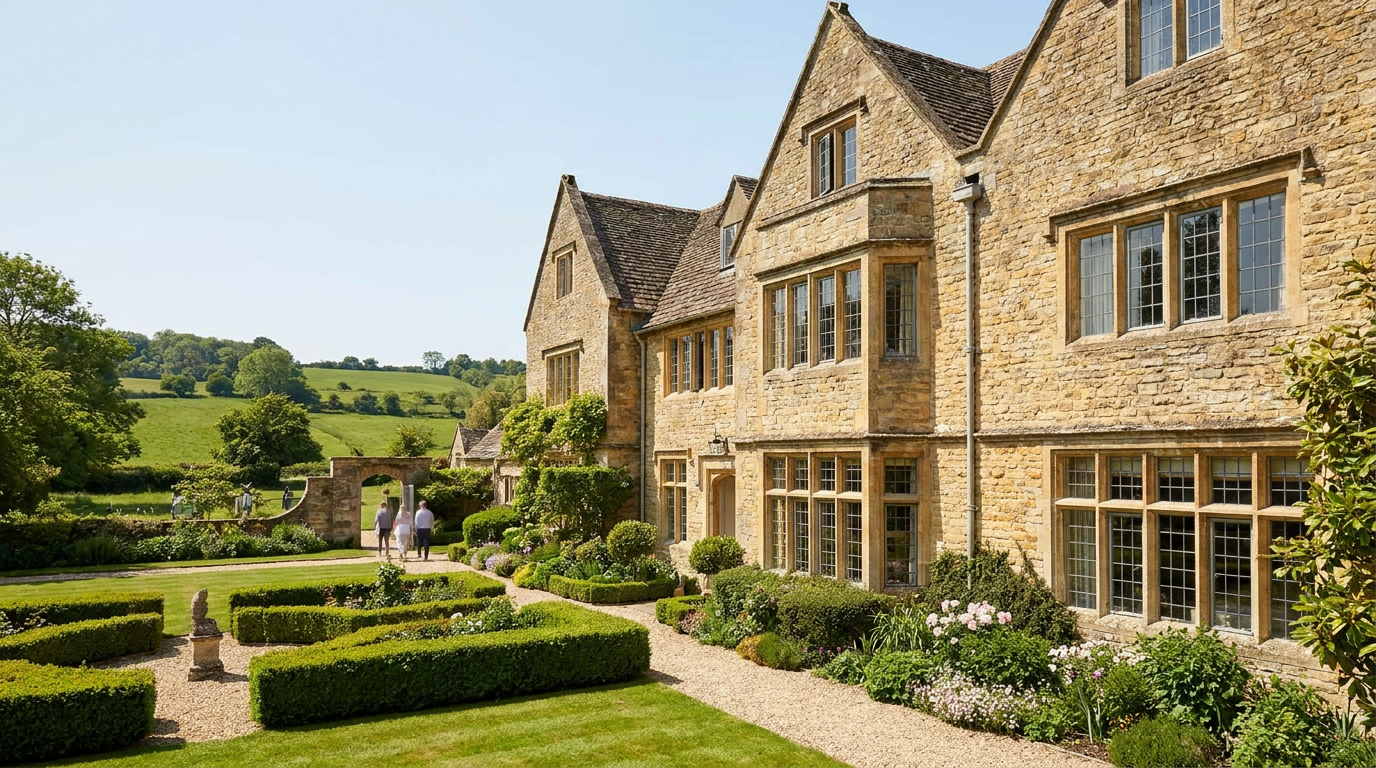
Hotel brand JdV by Hyatt has confirmed a new franchise agreement involving the Oxford Witney Hotel, marking a further development for the brand's hospitality presence.

The JdV by Hyatt hotel brand has entered into a franchise agreement with the Oxford Witney Hotel, marking a notable brand affiliation for the Oxfordshire venue. The arrangement integrates the regional property into Hyatt's lifestyle and boutique-focused portfolio while maintaining an operational franchise structure.

Under a typical hotel franchise agreement, the underlying property asset and day-to-day management remain under the remit of the property owner or an appointed management company, while the trading identity, distribution infrastructure, and guest loyalty platform are supplied by the franchisor. This allows the host venue to leverage international marketing scale while retaining local operational oversight.

Specific commercial terms, contract lengths, and associated property conversion costs for the Oxford Witney Hotel transaction have not been disclosed publicly. Nevertheless, the announcement confirms the continued application of the franchise model by international hotel groups seeking to grow their presence across the United Kingdom without direct real estate ownership.

Market dynamics across the UK hospitality sector

The agreement reflects an ongoing shift across the UK hotel industry towards asset-light growth strategies. Rather than acquiring freehold properties or committing to expensive commercial leases, global hospitality operators predominantly rely on franchise agreements to scale their brand footprints. This approach shifts the capital risk of property acquisition and refurbishment onto real estate investors and independent hotel owners, while generating fee-based revenue streams for the franchisor.

For established regional properties, aligning with a recognized global group offers a direct response to rising customer acquisition costs. Independent hotels frequently face high commission charges from third-party online travel agents. Joining a soft or lifestyle brand collection, such as JdV by Hyatt, allows independent venues to retain a degree of individual design and local identity while gaining direct access to the franchisor's proprietary booking platforms and international corporate accounts.

The regional market outside primary metropolitan centres has increasingly become a target for brand conversions. Locations across Oxfordshire and the surrounding counties benefit from steady corporate travel, regional business parks, domestic tourism, and international leisure demand. For brand operators, securing representations in such regional commercial hubs is essential to building comprehensive nationwide networks that serve loyalty programme members travelling outside London.

Evaluating large-scale franchise agreements and commercial prospectuses

For business owners and prospective franchisees examining opportunities in the hospitality and leisure sectors, commercial agreements of this scale carry different operational and financial profiles compared to standard business format franchises. Property-backed franchises require extensive capital expenditure, sustained asset maintenance, and rigorous alignment with brand quality criteria.

When reviewing a franchise prospectus or information pack in this space, prospective operators must evaluate several core commercial components before committing capital:

  • Property Improvement Plans: Franchisors typically mandate specific capital works to bring an existing building up to brand specifications. The scope, budget, and timeline of these requirements must be established in advance.
  • Fee architecture: Beyond the initial affiliation or franchise fee, ongoing commitments often include monthly royalty payments, international marketing contributions, central booking engine surcharges, and charges per loyalty programme redemption.
  • Distribution channel performance: Investors must determine what percentage of room bookings will genuinely originate through direct brand channels versus existing local trade or third-party reservation websites.
  • Operating restrictions: Franchise agreements often govern the approved food and beverage suppliers, technological systems, staff training regimes, and property maintenance schedules.

Independent professional due diligence is fundamental when assessing any franchise information pack or disclosure pack. Prospective franchisees should scrutinise historic trading accounts alongside projected earnings, verifying whether expected uplifts in average daily room rates and occupancy will adequately cover ongoing franchise fees. Consulting accredited franchise advisors and seeking guidance aligned with the standards promoted by the Quality Franchise Association (QFA) ensures that the legal and operational commitments are thoroughly understood before contracts are executed.

Implications for hotel operators and franchise networks

The expansion of lifestyle brands into regional UK markets carries strategic implications for both franchisors and independent hotel operators considering their long-term position in the market.

For franchisors, the viability of expanding through conversion agreements depends heavily on finding operators capable of upholding brand consistency across diverse property footprints. For existing franchisees within a network, brand growth enhances collective marketing strength, but requires the franchisor to balance territorial considerations and prevent cannibalisation of existing customer bases.

  • Asset-light deployment continues: Major hospitality brands continue to prioritise franchise agreements over capital-intensive direct purchases to expand across regional UK territories.
  • Conversion provides brand leverage: Independent hotels facing intense competition and rising overheads are increasingly using franchise models to access global loyalty programmes and corporate reservation channels.
  • Capital requirements remain substantial: Converting an existing venue to satisfy international brand standards necessitates careful cash-flow planning and clear contractual terms regarding mandatory upgrades.
  • Due diligence remains paramount: Franchisees must ensure that the operational autonomy retained under the franchise agreement matches their commercial capabilities and long-term investment horizon.

The progression of the agreement between the JdV by Hyatt brand and the Oxford Witney Hotel will serve as a practical indicator of how lifestyle brand conversions perform in regional UK commercial districts. Industry observers will be watching the property's operational transition, the scope of any physical enhancements, and the subsequent impact on occupancy and revenue to gauge the continuing effectiveness of hospitality franchising in regional markets.

Reported from publicly available coverage. Details were correct at the time of writing.