
← All news

Franchise News

Panel at Ideas Fest to Examine Accessibility and Opportunities in Franchising

By UK Franchise Opportunities Editorial TeamPublished Updated
Panel at Ideas Fest to Examine Accessibility and Opportunities in Franchising — UK franchise news

A panel session at Ideas Fest 2026 is set to highlight key considerations for prospective business owners, covering investment costs, franchisor support, and how to choose an appropriate franchise model.

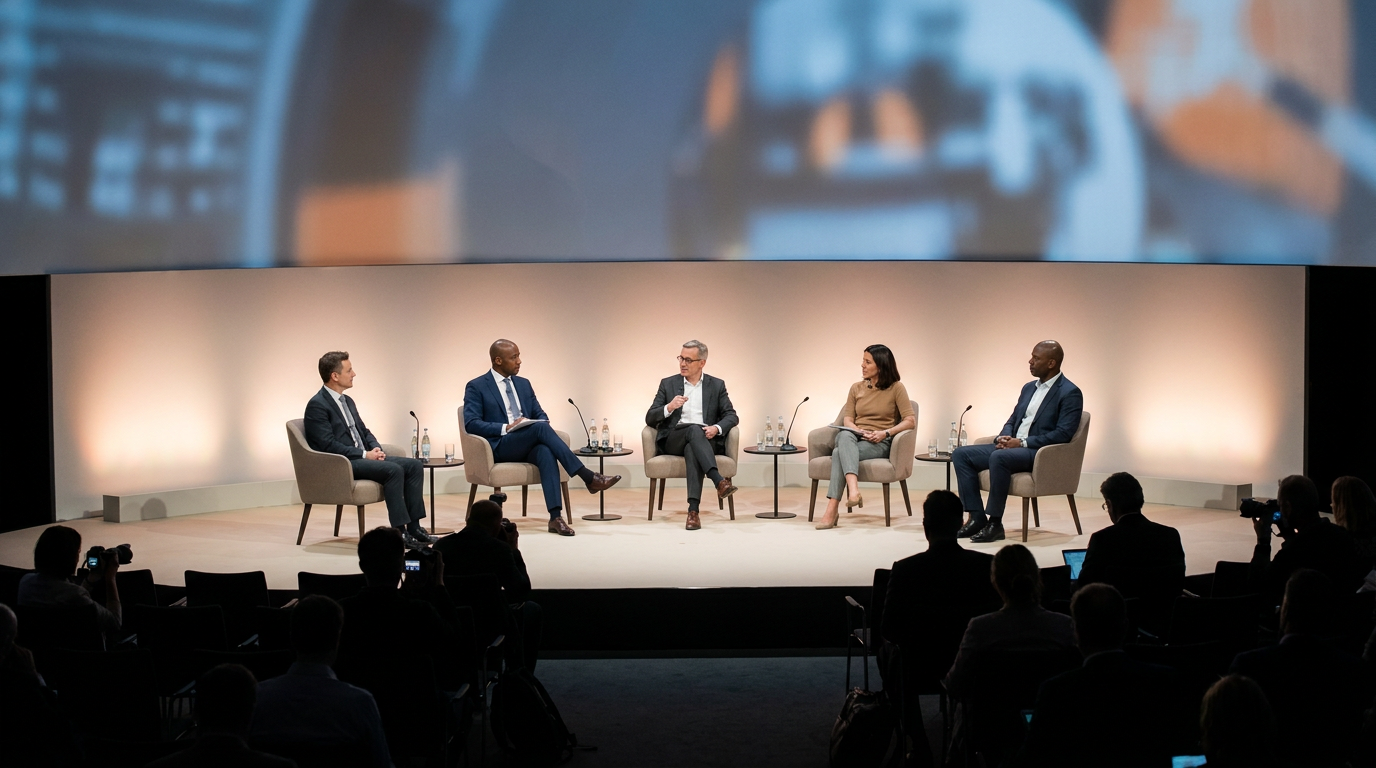
Ideas Fest 2026 is set to feature a dedicated panel session exploring the practical accessibility of the franchise model for prospective business owners. Organised under the Elite Franchise Live banner, the discussion has been scheduled to address key elements of entering the sector, including the realistic costs of launching an outlet, the scope of ongoing head-office support, and the process of evaluating whether a brand aligns with an individual's commercial goals.

The panel aims to dismantle common misconceptions that can prevent entrepreneurial candidates from exploring franchise ownership. By addressing capital requirements alongside the practical mechanics of network operations, the session is designed to offer a realistic assessment of what is involved in acquiring and operating a franchised business under an established brand name.

Specific details regarding individual panellists, exact event dates, and ticketing arrangements for the 2026 programme have not yet been finalised in the initial briefing. Nevertheless, the confirmation of the session highlights an increasing effort across commercial events to position franchising as a mainstream route into independent business ownership rather than a specialist alternative.

Sector Signals: Widening Entry Routes into Business Ownership

The inclusion of a focused franchising panel at a broader enterprise event such as Ideas Fest signals a deliberate shift in how the industry engages with the wider business community. Historically, franchise recruitment has relied heavily on dedicated franchise exhibitions and specialist directories. Presenting the model within a multi-disciplinary entrepreneurial festival demonstrates an appetite to attract candidates who may have enterprise experience or startup ambitions, but who have not previously considered buying into an existing operational framework.

This development also reflects a broader recognition that modern franchising encompasses far more than capital-intensive retail or quick-service food units. While multi-unit hospitality networks continue to command attention, the UK franchise market has seen steady expansion across low-overhead sectors, including home-based consultancies, van-based service routes, management franchises, and professional business-to-business services. By highlighting that franchising can be more financially accessible than widely assumed, industry commentators are reflecting a commercial reality where initial investments vary significantly depending on the operating model.

Furthermore, broader visibility requires the sector to uphold high standards of governance. As prospective candidates from varied commercial backgrounds evaluate the model, franchise networks are placed under greater scrutiny regarding their fee structures, training provisions, and ethical recruitment practices, areas regularly emphasised by bodies such as the Quality Franchise Association (QFA).

Evaluating Opportunities: Due Diligence and Financial Scrutiny for Buyers

For individuals considering a franchise purchase, understanding the true nature of accessibility involves rigorous due diligence rather than taking top-line figures at face value. A franchise package typically requires an upfront initial franchise fee, which covers the licence, initial training, and setup support. However, candidates must also account for total required capital, which incorporates equipment, inventory, marketing launch budgets, and sufficient liquid working capital to support personal and business expenses until operational break-even is achieved.

When reviewing opportunities, prospective buyers must formulate detailed questions to put to the franchisor before committing any capital. Critical areas of inquiry include:

  • The precise duration, location, and curriculum of initial training, alongside the specific level of ongoing operational mentoring provided once the business launches.
  • The territorial boundaries allocated to the licence, including whether the territory is fully exclusive or subject to shared commercial rights.
  • The exact breakdown of ongoing fees, including management service fees, software or technology subscriptions, and national marketing fund levies.
  • The direct contact details of both current operating franchisees and franchisees who have recently departed or transferred their units.

Scrutinising the financial documentation provided by the network is an essential stage of the assessment. Prospective investors in the UK receive a franchise prospectus or information pack rather than a statutory disclosure document. Because these packs are promotional by design, the figures provided—such as projected turnover, gross margins, and net profitability—must be verified independently. Candidates should request historical financial averages derived from actual trading units rather than theoretical best-case models. Comparing these figures against the real-world experiences of existing franchisees, combined with an independent review by an accountant familiar with franchise contracts, ensures that accessibility is matched by commercial viability.

Implications for Franchisors and Existing Franchisees

For franchisors, the emphasis on accessibility represents an opportunity to broaden their recruitment pipelines, but it also demands refined vetting and transparent communication. Attracting candidates who may not have traditional corporate or retail backgrounds requires franchisors to clearly distinguish between affordability and operational suitability. Existing franchisees also have a stake in this dynamic, as the caliber and financial stability of new joiners directly affect brand reputation and collective network value.

  • Enhanced Transparency: Franchisors must provide unambiguous financial outlines within their franchise prospectus to set realistic expectations regarding capital requirements and return-on-investment timelines.
  • Structured Support Delivery: Broadening recruitment means systems, operational manuals, and training programmes must be sufficiently robust to support operators entering from unrelated commercial backgrounds.
  • Network Quality Control: Established networks must balance the desire for expansion with strict franchisee selection criteria to ensure that accessible entry barriers do not lead to elevated failure rates.

What to Watch Next

Industry observers and prospective candidates will be watching for further announcements from the organisers of Ideas Fest 2026, including the formal confirmation of panel participants, keynote topics, and published schedules. As the event approaches, the key measure of success will be whether the insights shared translate into measurable candidate engagement and help demystify the financial realities of UK business ownership through sustainable franchise models.

Reported from publicly available coverage. Details were correct at the time of writing.