
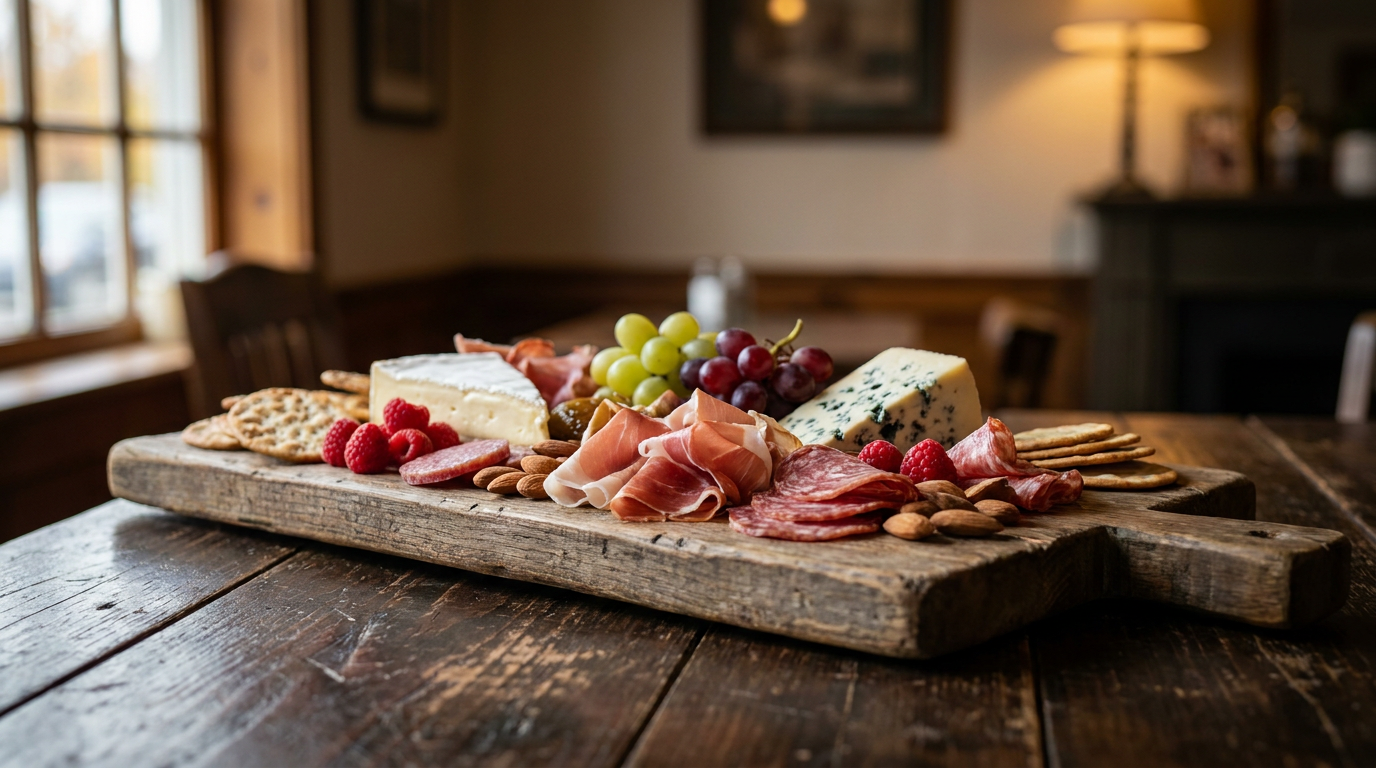
Food brand Graze Craze has confirmed plans to launch in England, marking an expansion into the UK market for the specialist catering concept. The move signals the introduction of the brand's curated charcuterie board and grazing platter format into a new geographic territory, extending its footprint beyond its existing international operations.
While the initial announcement confirms England as the destination for the rollout, comprehensive commercial details regarding the launch have not yet been released. Information concerning opening dates, preferred regional launch hubs, and whether the company intends to expand via master franchising, area development agreements, or individual unit franchises remains unconfirmed at this stage.
The arrival of an overseas food business in England underscores continued interest in the British franchising sector from international operators, even as consumer-facing businesses navigate a changing economic landscape.
Market Dynamics in the Specialised Food and Catering Sector
The introduction of a dedicated grazing platter franchise into England highlights wider structural shifts within the hospitality, retail, and corporate catering markets. Across the UK, demand for alternative catering formats has grown steadily, driven by social gatherings, corporate events, and direct-to-consumer delivery trends. Grazing displays and charcuterie arrangements, previously confined to bespoke independent catering firms, have increasingly emerged as structured commercial concepts suitable for scaling.
From an operational standpoint, the grazing board and specialist catering sector often relies on production models that differ significantly from traditional full-service restaurants. Many operators in this space utilise production kitchens, retail units with smaller footprints, or light-commercial preparation spaces. By reducing the real estate requirements associated with extensive dine-in customer seating, such models can potentially mitigate some of the property, utility, and overhead costs that currently challenge the broader hospitality trade in England.
Nevertheless, foreign food concepts entering England face a rigorous regulatory and trading environment. Incoming systems must adapt their operations to adhere to strict UK food safety legislation, comprehensive allergen labelling mandates, and regional packaging standards. Furthermore, international operators must successfully calibrate their product offerings and supply chains to meet local consumer tastes and seasonal produce availability without eroding the distinctive elements of their original brand format.