
← All news

Dunn Brothers Coffee

Dunn Brothers Coffee Agrees Multi-Unit Franchise Expansion in Illinois and Iowa

By UK Franchise Opportunities Editorial TeamPublished Updated
Dunn Brothers Coffee Agrees Multi-Unit Franchise Expansion in Illinois and Iowa — UK franchise news

Dunn Brothers Coffee has announced a new franchise development agreement with Beans & Rice, LLC, expanding the coffee brand's presence across Iowa and launching operations in Illinois.

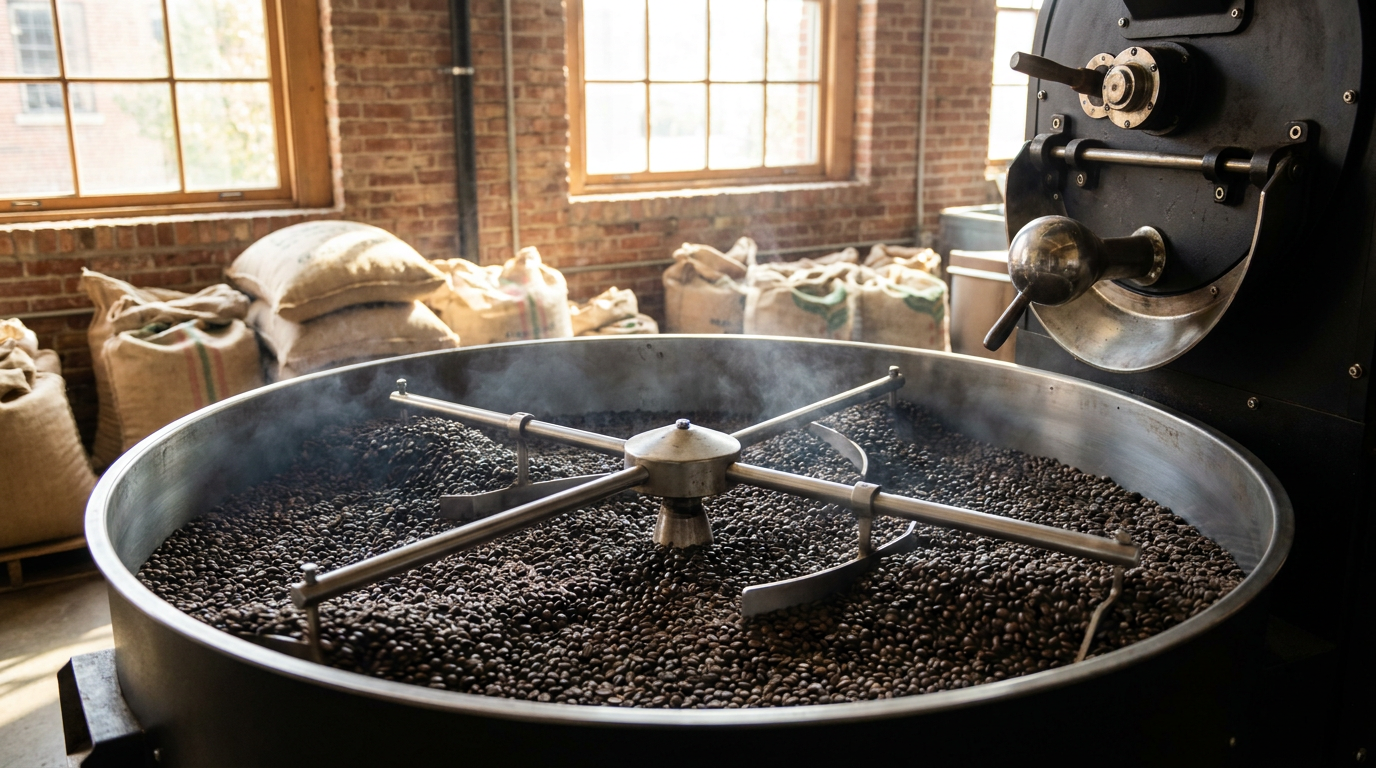
Minneapolis-headquartered coffee brand Dunn Brothers Coffee has agreed a multi-unit franchise development agreement that will see the company establish its first presence in Illinois while broadening its existing network in Iowa. The chain is noted for roasting globally sourced beans on site in small daily batches, a process central to its retail model.

The regional rollout is being undertaken in partnership with Beans & Rice, LLC, an investment vehicle directed by franchisees Kevin and Michelle Ramirez. Under the terms of the agreement, the operators will introduce stores across multiple territories, with Davenport, Iowa, identified as an initial focus market. Additional location specifics have not yet been publicly confirmed by the business.

The transaction highlights continued franchisee appetite for regional multi-unit development within the specialist food and beverage arena, as operators look to secure cluster territories rather than single standalone sites.

Market dynamics in the specialist coffee sector

The move by Dunn Brothers Coffee illustrates how beverage brands are continuing to rely on multi-unit commitments to secure regional coverage and drive market share. In modern hot beverage retailing, differentiation often hinges on production methods, premium positioning, or distinct in-store customer experiences. By maintaining an in-house micro-roasting operational model, the business seeks to differentiate its proposition from standard automated coffee concessions.

Regional development packages of this nature also reflect a wider industry shift toward territory-based scaling. For franchisors, awarding multi-unit rights to seasoned local teams reduces the administrative burden of onboarding multiple independent operators for each town or retail park. It allows the brand to establish local supply chains, centralise marketing initiatives, and capture operating efficiencies across geographically proximate outlets.

At the same time, operating a coffee concept requires navigating competitive high-street environments, rising commodity costs, and fluctuating consumer spending patterns. Coffee businesses face acute exposure to raw bean wholesale prices, commercial utility bills, and commercial property leases. Consequently, operators committing to multi-unit plans must ensure the core business model remains viable across varying footfall conditions, suburban drive-through sites, and urban neighbourhood locations.

Guidance for prospective UK franchise investors

For prospective franchisees in the UK evaluating hot beverage and food franchises, multi-unit opportunities represent an attractive yet capital-intensive pathway to business ownership. Running multiple retail units demands a shift away from day-to-day barista duties toward general management, multi-site staff supervision, commercial property negotiation, and tight fiscal control.

Before entering discussions or paying initial reservation fees, prospective UK buyers should review the franchisor's franchise prospectus and promotional pack with independent financial and legal advisers. The Quality Franchise Association (QFA) advocates thorough, objective due diligence before any legal commitments are made. Key areas of enquiry should include:

  • Supply chain transparency: How raw ingredients are sourced, whether franchisees are mandated to purchase through dedicated supply channels, and what markup the franchisor applies to essential stock like coffee beans and dairy goods.
  • Site selection and territory protection: What criteria the franchisor applies when approving premises, whether territorial exclusivity is granted, and what protection exists against cannibalisation from future corporate or franchised outlets.
  • Break-even projections: What realistic footfall figures and average transaction values are required to cover staff costs, royalties, marketing levies, business rates, and lease obligations.
  • Operational overheads: The expected depreciation and ongoing maintenance costs of specialised retail machinery, such as commercial grinders, espresso units, and in-store roasting equipment.

When examining the financial data presented in a disclosure pack or information pack, UK investors must verify historical performance figures against actual audited trading accounts rather than generic financial illustrations. Prospective buyers should contact active franchisees in the network to test whether the financial models supplied by head office reflect genuine day-to-day running costs. Scrutinising gross profit margins, local staff turnover levels, and utility assumptions will help ensure cash flow remains positive during the initial trading months.

Implications for franchisors and franchise networks

For franchisors, multi-unit agreements provide accelerated footprint growth, but they also introduce distinct structural risks. Aligning with an experienced management group can accelerate market penetration, yet it can leave the network reliant on a concentrated number of partners. Ensuring brand standards remain consistent across all premises is essential when single groups control large clusters of outlets.

For existing franchisees already operating within a network, new multi-territory deals usually bring measurable advantages, alongside operational considerations:

  • Enhanced brand awareness: Network expansion into neighbouring counties or districts raises general profile, often supporting brand recognition and driving higher overall consumer trust.
  • Supply economies: Increased total sales volume can strengthen the franchisor's procurement leverage, which can help insulate individual owners from sharp wholesale price spikes.
  • Competition for central support: Rapid expansion into fresh regions can strain a franchisor's operational support staff, field trainers, and technical teams if infrastructure investment fails to keep pace.

Monitoring future development

Industry observers will watch how quickly Beans & Rice, LLC opens the planned Davenport location and how smoothly the concept adapts to its initial Illinois sites. The execution of this rollout will offer a useful indicator of how premium, process-focused beverage concepts can balance operational complexity with multi-unit scalability in competitive suburban and regional markets.

Reported from publicly available coverage. Details were correct at the time of writing.