
← All news

Concept Claim Solutions

Concept Claim Solutions Highlights Growing Demand for Property Insurance Claim Support

By UK Franchise Opportunities Editorial TeamPublished Updated
Concept Claim Solutions Highlights Growing Demand for Property Insurance Claim Support — UK franchise news

Concept Claim Solutions has highlighted the growing need for specialist insurance claim support across the UK as weather-related property damage continues to affect homes and businesses.

Concept Claim Solutions, an established property claims management franchise network with more than 24 years of operational history in the United Kingdom, has highlighted the expanding requirement for specialist property insurance support. The business operates by assisting residential and commercial property owners through the administrative and physical challenges of insurance claim negotiation and property reinstatement following structural damage.

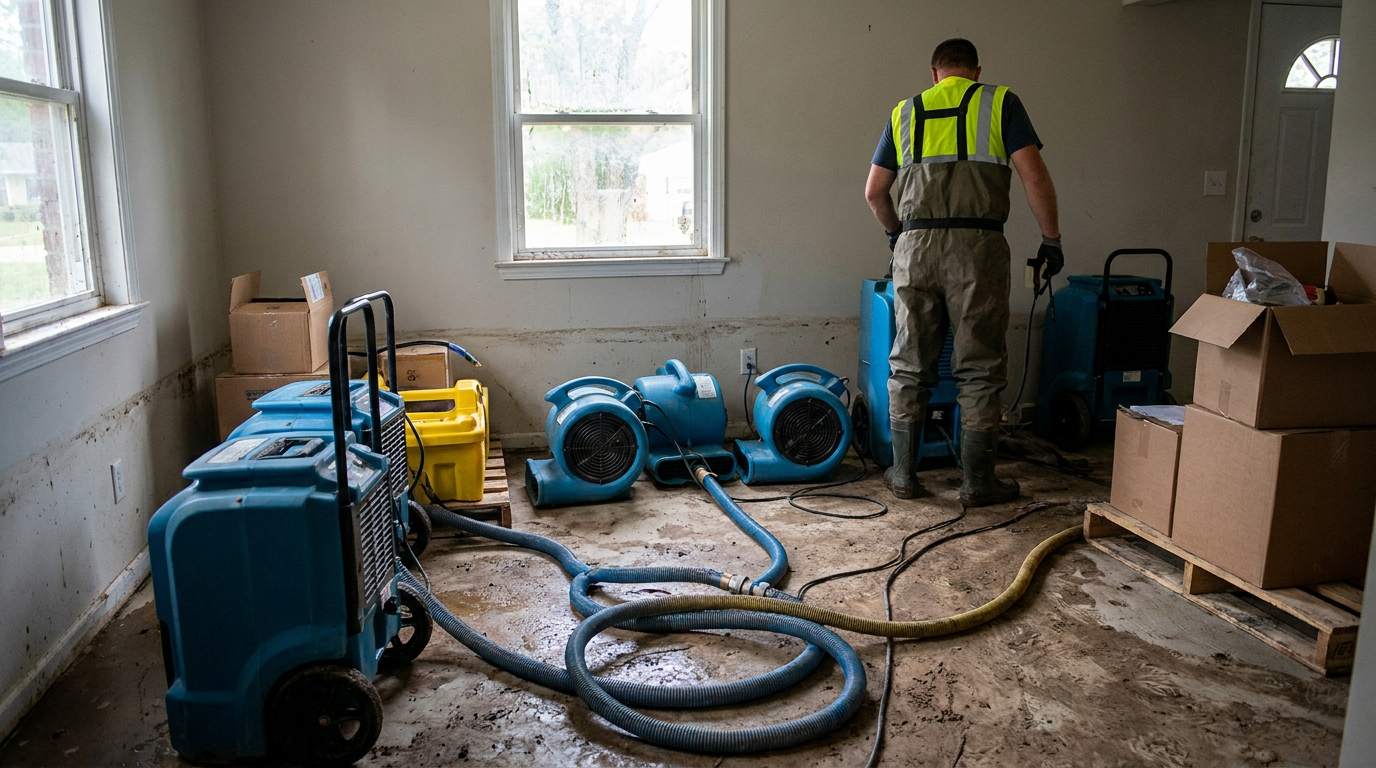
The company drew attention to the ongoing rise in weather-related insurance claims across the UK, pointing to incidents such as basement flooding and storm-related structural impairment as key drivers of customer distress. By focusing on practical customer outcomes, including severe flood damage cases such as that experienced by homeowner Linda, alongside the operational experience of franchise owners like Steve, the network emphasised how structured systems and head-office support underpin regional service delivery.

Managing building recovery projects involves dealing with complex insurance policies, building assessments, and contractor management. As sudden weather patterns continue to test property resilience, the role of intermediary support services has become an increasingly visible component of the broader property restoration and building services economy.

Market conditions driving property claims management

The operational environment for property claims specialists is heavily influenced by meteorological variability and the administrative complexity of modern insurance policies. Severe weather incidents in the UK—ranging from intense rainfall and surface-water flooding to prolonged dry periods that exacerbate structural subsidence—place substantial pressure on property owners. When damage occurs, policyholders often find the technical requirements of compiling damage inventories, obtaining compliant repair estimates, and negotiating with loss adjusters both time-consuming and challenging.

This dynamic creates a distinct business-to-business and business-to-consumer niche. Rather than functioning purely as building contractors or independent claims assessors, property claims management franchises combine loss assessment, insurance representation, and construction project management under a single service umbrella. The demand signals identified by Concept Claim Solutions reflect a market where policyholders seek independent advocacy to ensure property repairs meet the standards required to restore buildings to their pre-loss state.

Longevity within this sector depends heavily on procedural accuracy and regulatory alignment. Networks that have traded for multiple decades must continuously adapt to changes in property law, building safety standards, and insurance company protocols. For prospective entrants, sustained demand driven by climatic trends offers long-term market relevance, though service volume can be subject to geographical and seasonal fluctuations.

Evaluating a property claims franchise opportunity

For prospective franchise owners evaluating opportunities in property claims management, the business model typically involves functioning as a specialist project manager and representative rather than a manual tradesperson. Franchisees assess physical damage, liaise with insurance representatives to secure fair settlements, and oversee vetted regional building contractors who carry out the physical reinstatement work. This structure means commercial performance depends largely on communication skills, local relationship building, and project coordination.

When reviewing an information pack or franchise prospectus within this sector, prospective investors should scrutinise several operational realities. First, investors should clarify the extent of initial technical training. Building pathology, structural drying, and insurance policy interpretation are specialist disciplines; buyers must evaluate how central franchisors bridge any knowledge gaps for individuals entering the industry without prior insurance or construction experience.

Second, due diligence must focus on lead acquisition and working capital. Key questions to put to a franchisor include:

  • How are claims leads sourced, and what proportion is generated through central marketing agreements versus mandatory local business development?
  • What are the realistic cash flow timelines, given that insurance claims, adjuster sign-offs, and final contractor payments can span several months?
  • What software, documentation platforms, and head-office technical staff are made available to support complex negotiations?
  • What territorial protections exist, and how are commercial claims allocated when extreme weather hits neighbouring regions?

When reviewing figures in a franchise disclosure pack, buyers must distinguish between gross contract turnover and retained operating margin. A claims project may carry a high headline financial value because it incorporates significant contractor costs and material procurement. Prospective franchisees must look past the total claim value to examine the actual percentage retained by the franchise partner, cross-referencing projected timelines with the trading accounts of existing franchisees operating in comparable demographics.

Strategic considerations for networks and operators

The continuing frequency of weather-related claims presents both operational opportunities and capacity challenges for franchisors and their network partners. Scaling a technical service business requires maintaining stringent quality control, as substandard project management or faulty structural remediation directly damages the franchise brand.

  • Systemised operational procedures: Centralised frameworks enable franchisees to navigate complicated insurance negotiations predictably, ensuring parity across regional territories.
  • Balancing capacity and surge demand: Franchisors must implement staffing and contractor contingency plans to help regional franchisees handle surges following major regional storms or flooding events.
  • Comprehensive ongoing mentoring: Sustained head-office guidance is essential to ensure regional operators remain compliant with evolving building standards and insurance administration practices.
  • Reputational equity: Customer outcomes during severe property crises depend on practical empathy and clear timelines, making customer care a central driver of local referral business.

Moving forward, the sector will be shaped by the rate at which insurers process claims and the broader economic pressures affecting building material costs and contractor availability. Industry observers and prospective franchise investors will be watching how claims management franchises deploy technology to accelerate damage assessments and whether insurers continue to accept third-party project management as a standard route for property remediation.

Reported from publicly available coverage. Details were correct at the time of writing.