
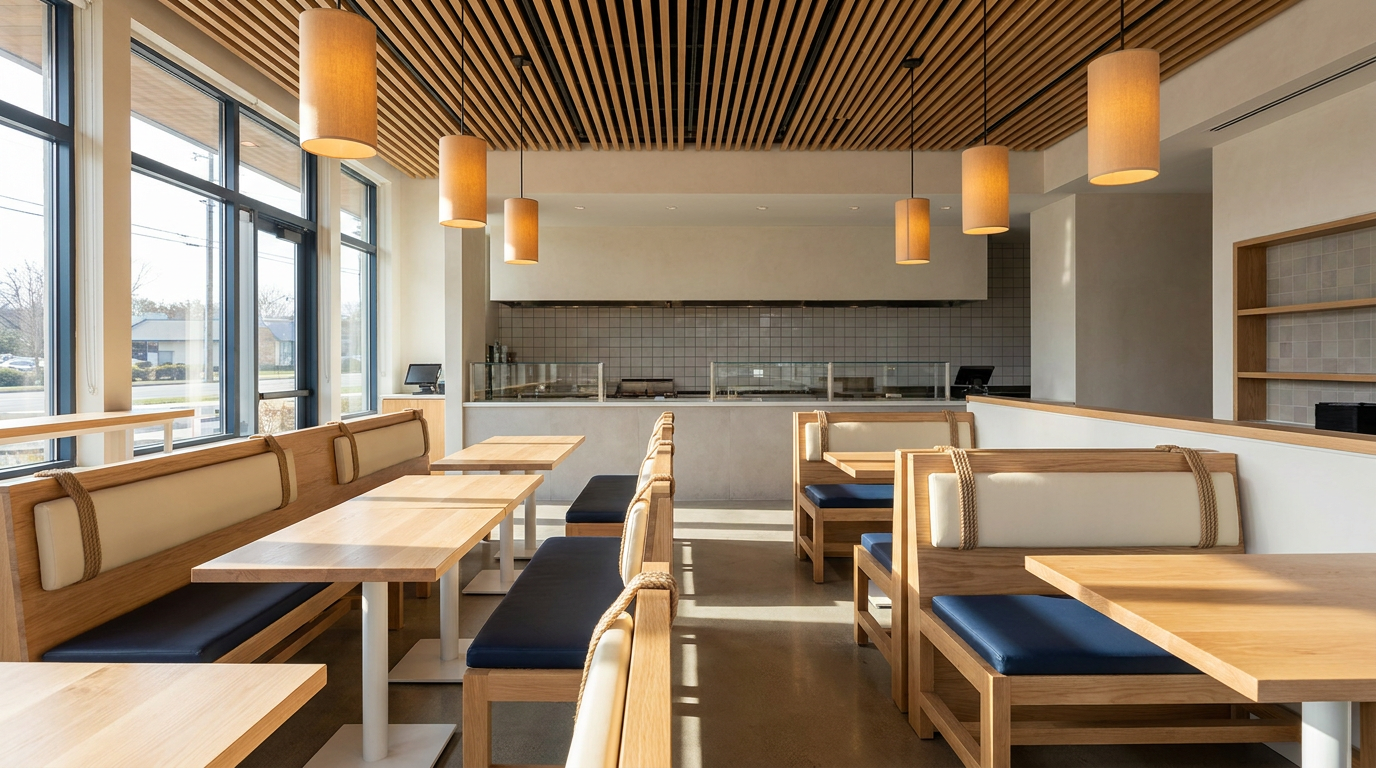
American fast-casual brand Captain D's is progressing plans for international growth, turning its attention towards Europe following an increase in interest from prospective commercial partners. The United States-based seafood business is seeking to establish a presence across the continent as part of a wider effort to export its operating model outside its domestic territory.
The strategic push follows an international development visit carried out earlier this year, which the company reported generated sufficient traction to justify further discussions. Hair Parra, Senior Vice President of International Operations and Development for Captain D's, is scheduled to return to Europe in October to hold face-to-face meetings with prospective franchise candidates.
While the business has not yet confirmed specific target territories, development models, or launch dates within individual European jurisdictions, the upcoming discussions indicate a clear ambition to secure multi-unit or master franchise partnerships capable of establishing the brand in new consumer markets.
Market Dynamics in the Fast-Casual Seafood Segment
The move by Captain D's highlights ongoing shifts within the broader quick-service and fast-casual restaurant landscape. For decades, transatlantic expansion in the food-and-beverage franchise sector has been heavily dominated by burger, fried chicken, pizza, and coffee networks. Seafood-led concepts occupy a comparatively smaller share of the fast-casual category across Europe, creating a distinctive market positioning for operators who can execute the format efficiently.
Introducing a specialised quick-service seafood offering into European markets involves addressing distinct consumer preferences. In the United Kingdom and mainland Europe, seafood dining spans a wide spectrum, from traditional fish and chip establishments to premium casual dining. Brands operating in the fast-casual space aim to sit between these formats, offering consistent menu standards, rapid service times, and modern store environments. However, entering these markets requires a clear understanding of regional tastes, ingredient sourcing requirements, and established local competition.
Furthermore, international expansion by established US brands demonstrates confidence in the resilience of branded hospitality concepts despite broader economic pressures, including fluctuating food costs and consumer spending constraints across Western Europe.