
← All news

Bad Ass Coffee of Hawaii

Bad Ass Coffee of Hawaii Opens East Coast Facility to Back Franchise Growth

By UK Franchise Opportunities Editorial TeamPublished Updated
Bad Ass Coffee of Hawaii Opens East Coast Facility to Back Franchise Growth — UK franchise news

Bad Ass Coffee of Hawaii has launched a new East Coast distribution facility and relocated its corporate headquarters to support operational growth across its franchise network following solid store performance.

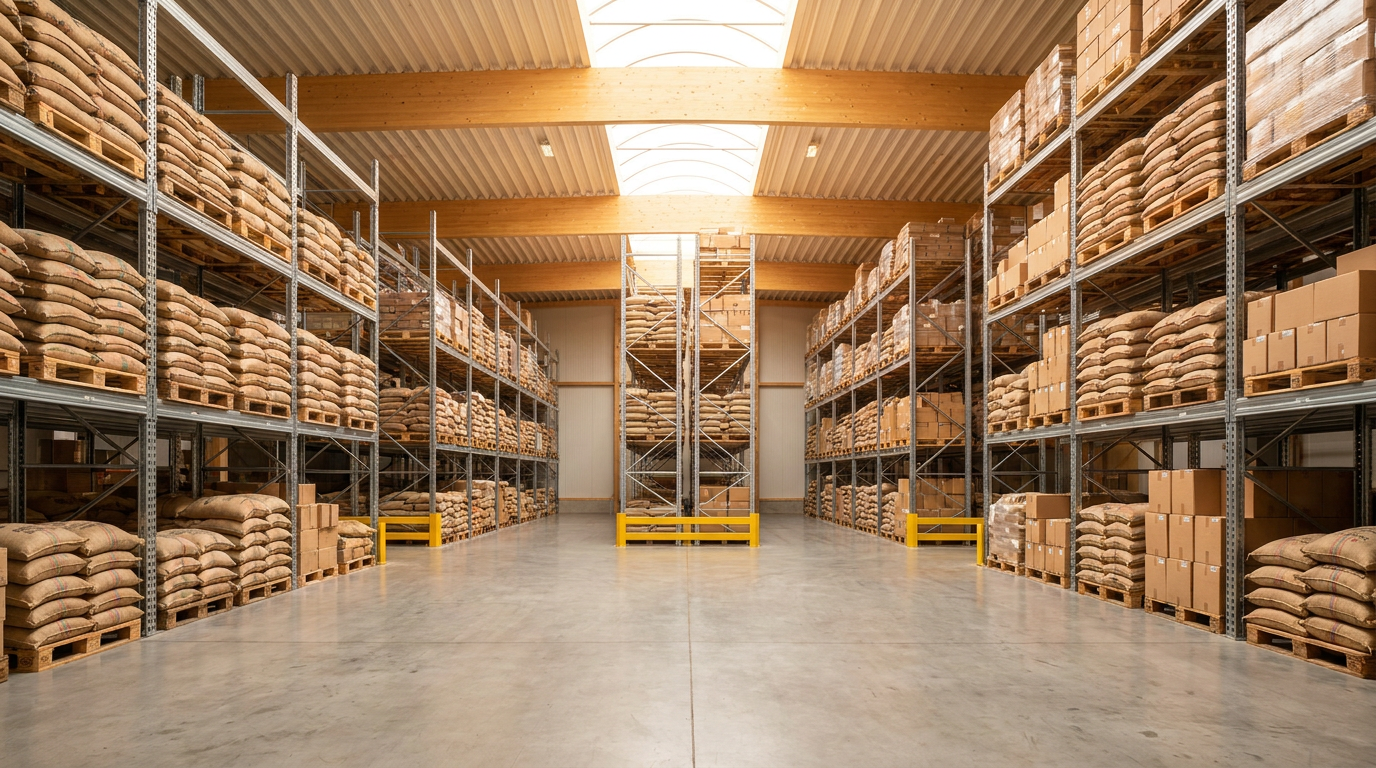
Bad Ass Coffee of Hawaii has launched a new distribution facility on the East Coast of the United States as part of a wider programme to reinforce its operational foundation. The coffee franchise, known for its premium Hawaiian roasts and community-oriented brand identity, has focused the first half of 2026 on developing the logistical framework required to sustain its ongoing network expansion.

The establishment of the East Coast distribution centre follows sustained trading performance across the brand's existing store estate during early 2026. Alongside the investment in warehousing and fulfilment capacity, the company executed a corporate relocation, moving its headquarters away from its previous base in Denver. The specific destination of the new central office has not been confirmed in the disclosed corporate update.

These infrastructure developments reflect a broader strategy of scaling support mechanisms alongside unit growth. By establishing regional supply hubs and reorganising central leadership operations, the franchisor aims to improve inventory management and shorten delivery timelines across its trading territories.

Infrastructure and Supply Chain Strategy in the Coffee Sector

The creation of dedicated distribution nodes signals an important operational reality within the specialty beverage and hospitality franchise sector: sustainable network scaling depends as heavily on back-end logistics as it does on customer-facing brand appeal. In the branded coffee market, where product consistency, roast freshness, and proprietary ingredient sourcing are central to customer retention, any disruption in supply can directly compromise store-level trading.

Investing in regional distribution hubs indicates that a franchise system is transitioning from localised expansion to broader geographical coverage. Relying on a single supply source across a wide area often introduces excessive freight expenses, longer lead times, and vulnerability to transit interruptions. By decentralising warehouse operations, franchisors can stabilise shipping costs, establish buffer stocks, and maintain tighter control over product standards across diverse markets.

Relocating corporate headquarters during a period of infrastructure building also suggests an effort to align central management more closely with key growth corridors. In the competitive food and beverage sector, franchisors must continually assess whether their operational centres provide the talent pool, corporate accessibility, and oversight necessary to support a multi-unit network.

Evaluating Coffee Franchise Opportunities in the UK Market

For prospective franchisees in the UK evaluating specialty coffee or food-to-go concepts, the logistics model of the franchisor is a critical area of due diligence. Running a franchised coffee shop typically demands substantial capital expenditure on specialised espresso machinery, store fit-outs conforming to strict brand specifications, refrigeration, and point-of-sale systems. Operating margins depend substantially on unit-level cost of goods sold (COGS), which is directly influenced by how effectively the franchisor runs its supply network.

When reviewing a franchise prospectus or information pack, prospective operators should look beyond headline revenue illustrations and examine the mandatory purchasing requirements. In the UK, reputable networks often align their operational standards with guidance from bodies such as the Quality Franchise Association (QFA) to ensure clear commercial transparency. Prospective buyers should ask detailed questions regarding the supply chain:

  • Supply source and pricing mechanisms: Are franchisees obligated to buy all beans, syrups, packaging, and ancillary goods exclusively from the franchisor or designated suppliers, and how are prices benchmarked against open-market rates?
  • Distribution charges and delivery schedules: How are freight fees calculated, what are the minimum order quantities, and who bears the financial burden of transit-related damages or stock shortages?
  • Supply continuity protections: What secondary fulfilment protocols exist if a central distribution facility experiences operational failure or import delays?

Prospective investors should have the disclosure pack and proposed franchise agreement examined by an independent solicitor and an accountant with specific franchise sector experience. Financial models should be stress-tested against potential shipping fee increases, inflation in raw commodity prices, and mandatory supply surcharges before any binding contract is executed.

Implications for Franchisors and Unit Operators

The operational adjustments made by Bad Ass Coffee of Hawaii demonstrate how franchisors must periodically recalibrate their infrastructure to safeguard unit economics as unit numbers multiply. Enhancing logistical capacity alters the daily operating environment for both corporate leadership and individual store operators.

  • Inventory lead time reductions: Regional distribution allows franchisees to operate with lower on-site stock holdings, reducing working capital requirements and limiting waste from product expiration.
  • Scalability for multi-unit developers: Established regional supply channels lower the logistical barriers for multi-unit operators planning simultaneous openings across neighbouring territories.
  • Mitigation of supply-chain bottlenecks: Placing stock closer to regional clusters insulates individual outlets from widespread distribution delays caused by single-point-of-failure logistics.
  • Corporate overhead adjustments: Relocating administrative offices and launching secondary distribution facilities incurs material capital expenditure, requiring franchisors to balance head-office outlays against field support budgets.

The coming trading quarters will reveal how effectively this expanded operational footprint supports new outlet openings and whether the decentralised distribution structure delivers measurable efficiencies to store-level margins across the brand's network.

Reported from publicly available coverage. Details were correct at the time of writing.