
Franchises for Sale in Liverpool
Merseyside
Discover franchises for sale in Liverpool. Whether you're looking for a low-cost home-based opportunity or an established management franchise in Merseyside, our directory features vetted brands actively recruiting franchisees in the Liverpool area.
Available opportunities in Liverpool
Loading…
About Franchising in Liverpool
About Liverpool
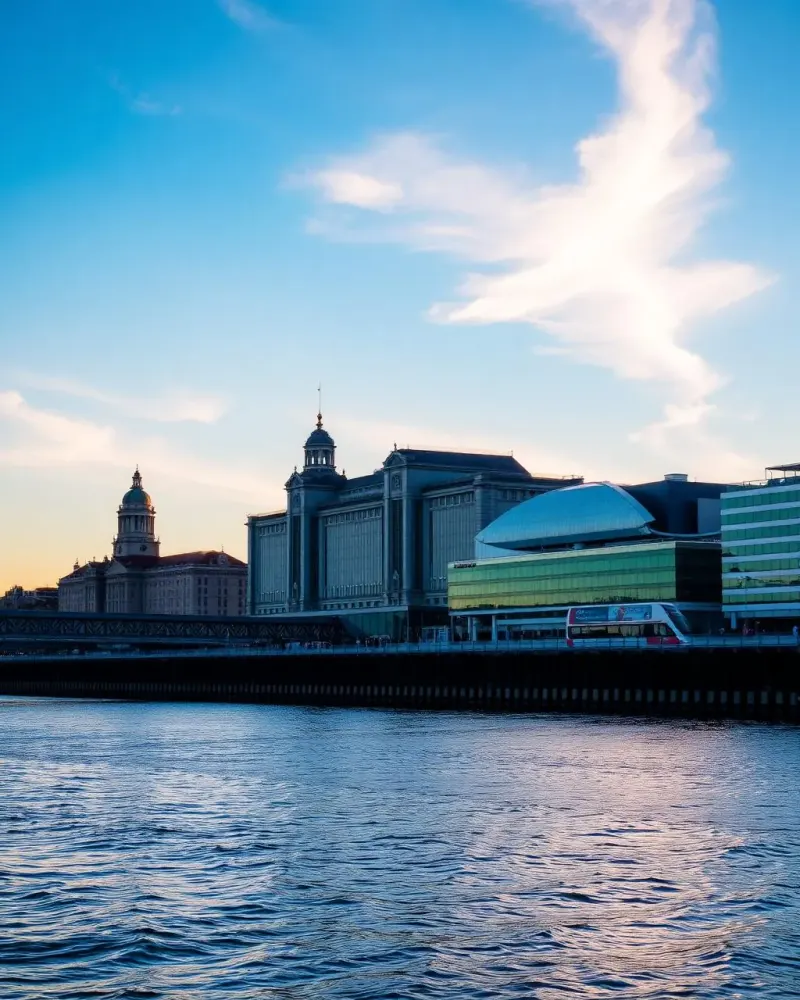
Liverpool, a vibrant maritime city in Merseyside, North West England, holds a distinguished place in British history and culture. Situated on the eastern side of the Mersey Estuary, it has long been a pivotal port, shaping its identity as a global gateway. From its origins as a small fishing village, Liverpool grew into a major trading hub during the British Empire, renowned for its role in transatlantic trade. This rich heritage is reflected in its stunning architecture, including the UNESCO World Heritage-listed waterfront. Today, Liverpool is a dynamic economic centre, celebrated for its contributions to music, sport, and the arts, alongside a growing modern economy focused on knowledge, health, and digital sectors. Its distinctive character is defined by a strong sense of community and an entrepreneurial spirit.Population and Demographics in Liverpool
Liverpool is a densely populated city, with an estimated population of around 500,000 residents within the city boundaries, and a much larger conurbation. The demographic profile is diverse, featuring a significant proportion of younger adults, partly due to its substantial student population. There are several universities and higher education institutions, attracting tens of thousands of students annually. Household mixes vary from single-person dwellings and student accommodations to family homes in suburban areas. The city has experienced periods of population growth and regeneration in recent decades, leading to a dynamic and evolving community, with a mix of established local families and newer residents drawn by employment and educational opportunities.Economy and Business Landscape
Liverpool's economy is diverse and growing, with key sectors including health and life sciences, digital and creative industries, advanced manufacturing, and logistics, leveraging its port infrastructure. Notable employers span across these fields, from large NHS trusts to international shipping companies and burgeoning tech firms. The city boasts several prominent business parks, such as Liverpool Science Park and Knowledge Quarter, fostering innovation and collaboration. Retail activity is centred around Liverpool ONE, a large open-air shopping district, and the historic high streets of Church Street and Lord Street. Excellent transport links include a comprehensive rail network, the Merseyrail system, and easy access to the M62 motorway, connecting it to other major UK cities. Ongoing regeneration, particularly around the waterfront and city centre, continues to attract investment and create new commercial opportunities.Why Liverpool Suits Franchisees
Liverpool's unique blend of demographics and economic activity presents a compelling environment for franchisees. The substantial student population and younger demographic create a strong market for casual dining, entertainment, and technology-related services. The city's robust tourism sector, attracting millions of visitors annually, provides additional customer streams for retail, hospitality, and leisure franchises. While the city offers a large catchment area, franchisees should be mindful of existing competition in established sectors and identify areas of unmet demand. The ongoing regeneration and development projects indicate a forward-thinking city with a growing economic base, suggesting long-term potential for businesses that can adapt to evolving consumer needs and capitalise on the city's vibrant character.Popular Franchise Sectors in Liverpool
- Food and Beverage in Liverpool: With a large student population and a thriving tourism industry, casual dining, coffee shops, and takeaway franchises often perform well in areas like the Baltic Triangle and around the universities.
- Education and Training in Liverpool: The city's numerous universities and colleges, alongside a strong family presence, create a consistent demand for supplementary education, tutoring, and skills-based training franchises.
- Health and Wellness in Liverpool: As a city with a significant focus on life sciences and a growing awareness of well-being, fitness centres, personal care services, and domiciliary care franchises find a receptive market.
- Retail Services in Liverpool: The bustling retail districts of Liverpool ONE and surrounding high streets, combined with a dense urban population, support franchises offering specialised retail goods or convenience services.
- Property and Home Services in Liverpool: With ongoing urban regeneration and a mix of residential properties, franchises related to property management, cleaning services, or home improvement often find steady demand.